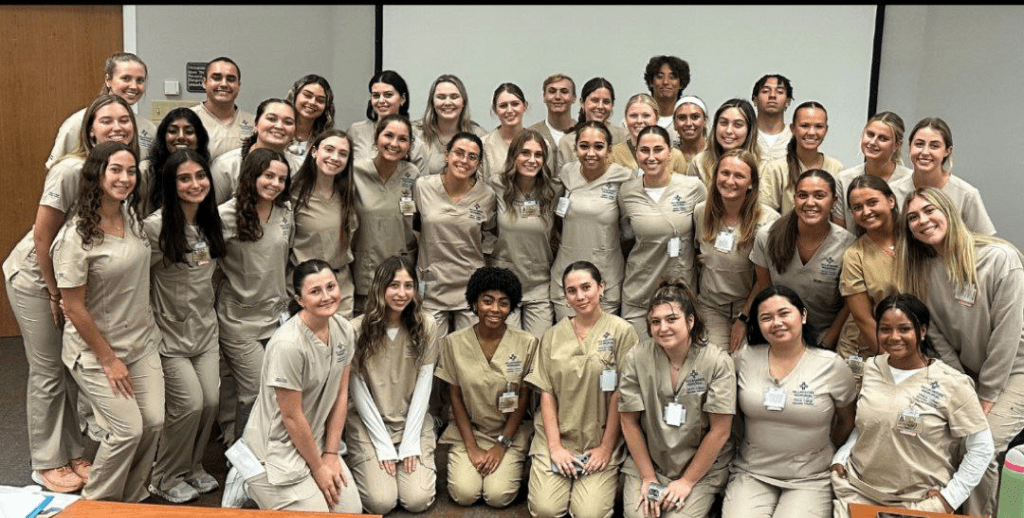
Through my participation in the Clinical Assistant Program (CAP) and my volunteer work at Big Bend Hospice this summer, I’ve developed a deeper understanding of patient care that extends beyond what can be learned from textbooks. Improving access to patient-centered, compassionate healthcare for underprivileged populations is the primary focus of my study. Based on my observations, this issue directly affects a large number of stakeholders. At the center are the patients, particularly the elderly, those with chronic illnesses, and those with low incomes. Their families face a heavy mental and physical burden as well, frequently taking on the role of informal caretakers. Because they must provide care in stressful or underresourced settings, clinicians and nurses are also important participants.
Indirect stakeholders exist outside of these groups and have an impact on the way care is provided. Policymakers and healthcare managers decide who is eligible for treatment, what services are provided, and how clinicians are trained. Future healthcare workers’ interests and values are shaped by medical educators. In communities where there is a lack of trust in the medical system, local organizations, churches, and community leaders often assist individuals in accessing services or making medical decisions. My experience at Big Bend Hospice has taught me that, particularly for patients nearing the end of their lives, emotional care (typically given by volunteers or social workers) is just as important as medical care.
I have several personal connections to this issue. The concept of health equity has always sparked my interest as a public health student aspiring to become a doctor. However, it has become more apparent this summer. I’ve witnessed what happens when a patient is unable to pay for their prescription drugs or when a family is overburdened and attempting to care for a loved one without any help. I’ve also observed how seemingly small actions, such as sitting with a patient or simplifying an explanation, can have a huge impact. I know how intimidating the healthcare system can be if you’re not comfortable with the language, customs, or procedures because I come from an immigrant household. This background influences my interactions with patients and my understanding of their needs. This summer has taught me that emotional support, trust, and cultural awareness are just as important as further training or information in filling in the gaps in care.
The majority of the perspectives I’ve encountered when reading research on patient-centered care and end-of-life assistance have come from academics and medical professionals. These voices matter but what’s missing are the views of patients, especially those from low-income or minority communities, and the family members who care for them with little support or recognition. Additionally, little research has been done on what it’s like to be a student helper or volunteer on the front lines. I believe my viewpoint is a combination of listener and learner. I am someone who is not yet entirely part of the system, but is close enough to notice the gaps, the feelings, and the important moments.
Considering the various roles that people play in social change (Helper, Advocate, Organizer, and Rebel) I view myself primarily as a Helper. I’m learning how to listen effectively, be present, and provide assistance. However, I’m also embracing the Advocate role. What I’m learning today will help me in the future when it comes to patient care. I want to advocate for patients who don’t feel heard and strive toward a system that treats the full person rather than just their symptoms. – Caitlyn Katumalla