By: Kathryn O’Connor
An introduction to my Global Scholars research project!
INTRODUCTION:
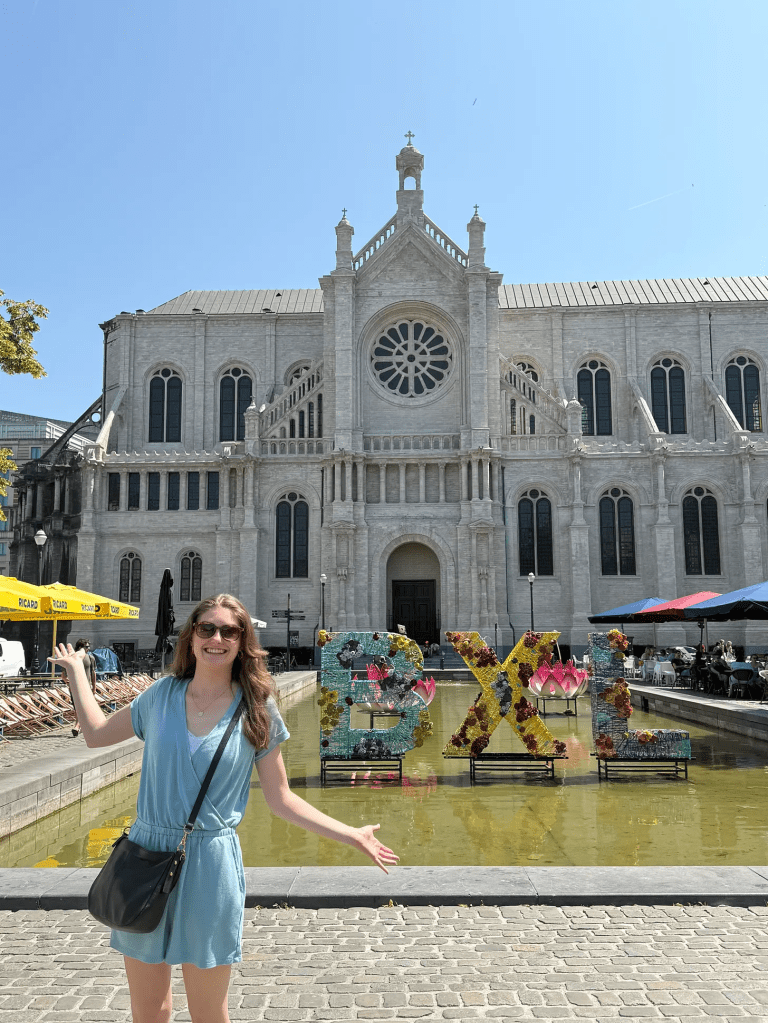
Hello! My name is Kathryn O’Connor and I am Classical Civilizations major here at Florida State University (Go ‘Noles!). I am also a member of the 2026 Global Scholars cohort, which is a research program at Florida State where over the course of the year a student develops, collects data, and presents a finalized Capstone project in the fall. Well now that the spring course has come to a close, I am excited to get out into the field and start gathering the data I need for my project.
To me (and I would hope so because this is my blog) being a Global Scholar means bridging communities through exposure. Through this program I have been given a unique opportunity to research a topic and see how it impacts not only the community around it, but a wider, global audience as well. I hope that with this I can bring communities together, and spread awareness about issues in the field.
SUMMER PLANS:
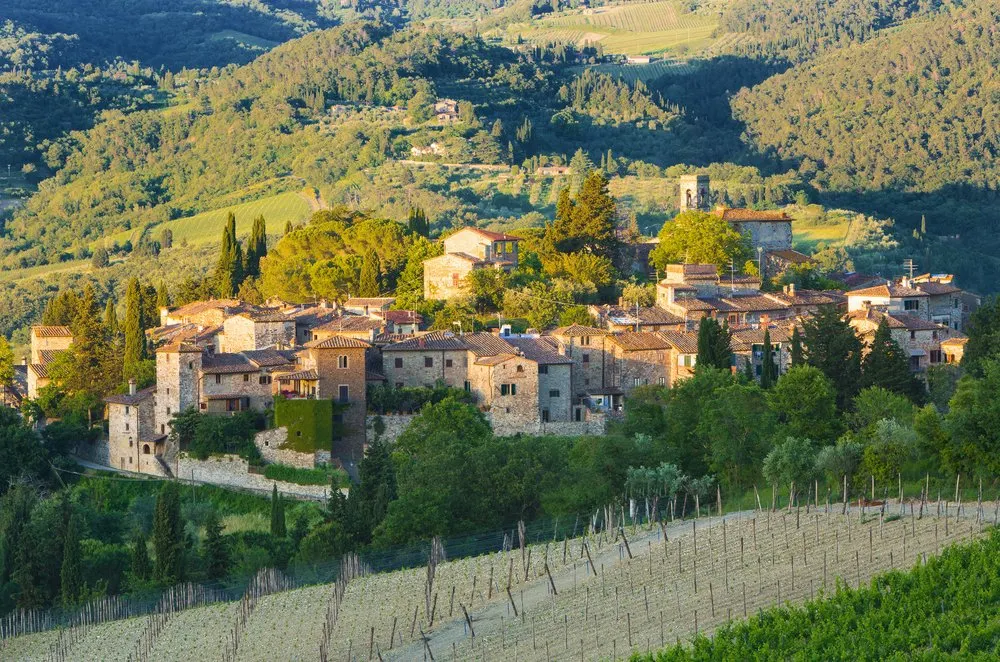
This summer I will be traveling to the Tuscan region of Italy to the quaint hills, and sleepy town of Radda in Chianti. Radda is best known for its wines, but it actually holds a hidden treasure folded in its hilly landscape- an archaeological treasure! First discovered by Alvaro Tracchi in 1964, Cetamura del Chianti is an archaeological site that boasts of three distinct societies and eras- Etruscan, Roman, and Medieval.
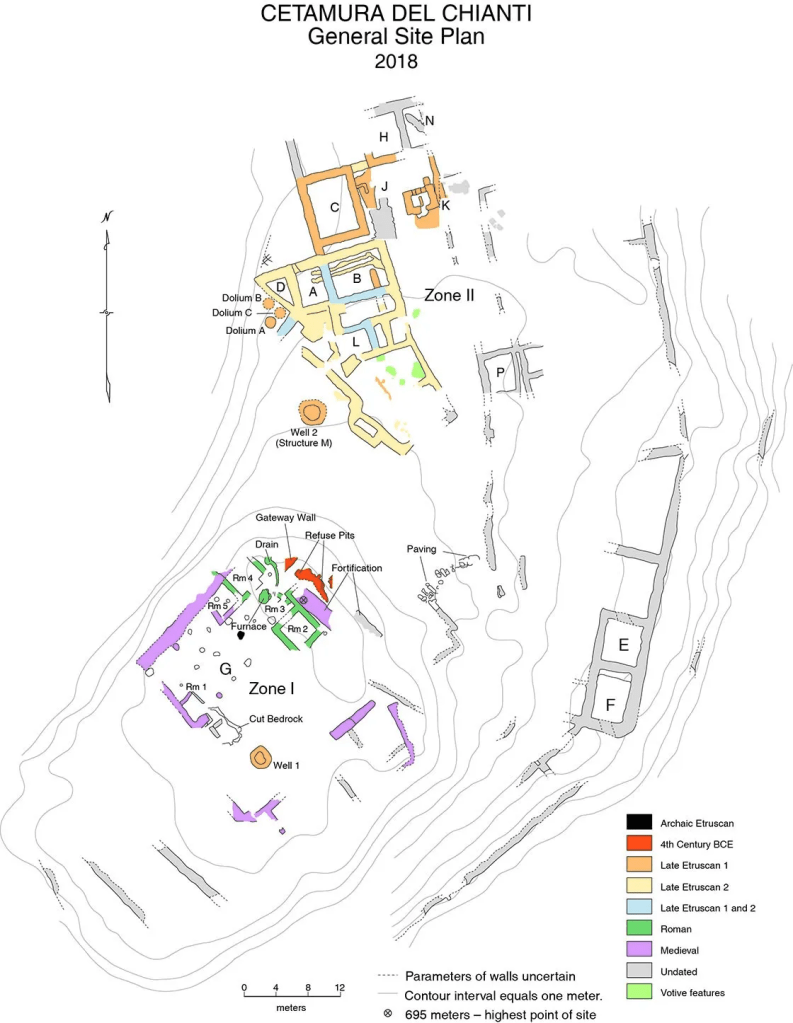
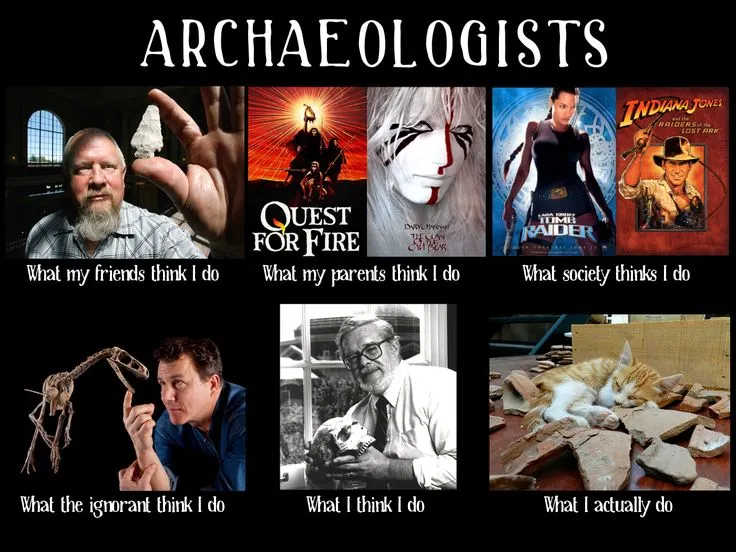
I will be working at Cetamura del Chianti for six weeks this summer as a part of their Field Research team. To some that may sound like something straight out of an Indiana Jones movie, but as I have learned archaeology in practice tends to be a lot less adventurous. Florida State has been excavating this site for the past 50 years, so I am thrilled to join a long line of undergraduate team members! Additionally, our team will get to explore some parts of Italy on the weekends, so I am looking forward to having some adventures (albeit not archaeological ones) this summer.
I will confess, I am feeling a bit nervous about doing archaeological work for the first time, as I don’t really know what to expect or if I have the physical prowess for it. At the same time I am so excited to try my hand at it. I am attending college to learn all that I can about societies in Antiquity, so the fact that I get to engage with this era of history in such an intimate way is such a privilege. All I can hope is that I make like a sponge and soak it all up!
MY RESEARCH:
If one paid attention in their history classes or have been tuning into the news recently, then you would know that America is turning 250 years old this year- and its been quite the celebration! But while this is a huge accomplishment for Americans near and far, to the rest of the world our 250 year milestone is but a blip on their records. This gets especially interesting when we discuss the field of classics- what are Americans in their infant country doing with some of the oldest artifacts in the world? Well besides the colonial roots, Classics are still a prominent field for American scholars, and as such, there are many Classical schools abroad hosting a wide array of scholars working on these ancient sites.
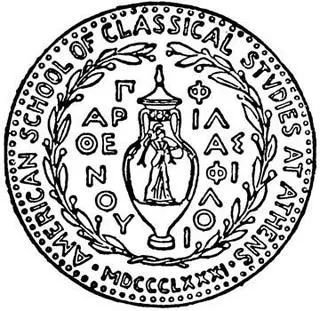
Logo for the American School of Classical Studies at Athens.
I began to become curious of the almost irony of the subject, that a nation of people are so prevalent in a field where they share cultural history. It led me to a number of new questions- what do local governments and cities make of this American presence? Is this in any way harmful to locals engaging in their cultural archaeology? What is the relationship like between American scholars and the country in question? All of this cumulated into my Community Based Inquiry (CBI): How do international archaeological sites abroad affect the local communities? To find the answers to my burning question, I will be conducting interviews with many different groups of people- my peers, residents in Radda, and the local project staff to name a few. I want to get to the bottom of what they think about our involvement with Cetamura del Chianti and how they view the impact of our efforts. Along with interviews, I will be gathering data through observations with the help of a daily journal.
Right now, I am expecting that the impact of this study will reveal the complex ecosystem that Florida State and the Chianti region has formed around archaeology. I hope that this can open the door to others in the field of Classics to analyze their community impact and what improvements have been made and what they can continue to do.
COMMUNITY:
When I tell people that I will be spending part of my summer in Italy, they immediately ask me if I will be speaking only Italian when I get back or starting my dinners at 8pm. The reality is that being on the Field Research team at Cetamura del Chianti will be a little isolating, as I will be spending the majority of my time in a ditch digging or digging in the ground (lucky me…). But even with that challenge, I am determined to be as involved in possible.
Since Florida State has been digging in Radda for the past 50 years, our group is almost like geese flying south for the winter- a regular rhythm for the townspeople. With that in mind, I am excited to participate in the traditions that the students from summers past have created with the residents of Radda.
The language barrier is also something that I have considered while abroad. I am happy to say that I have tried to learn as much Italian as I could before leaving, but like many things more is always more. That being said, I am really excited to put what I know into practice and hopefully being thrown into the country will be all the more motivating to pick up more Italian.
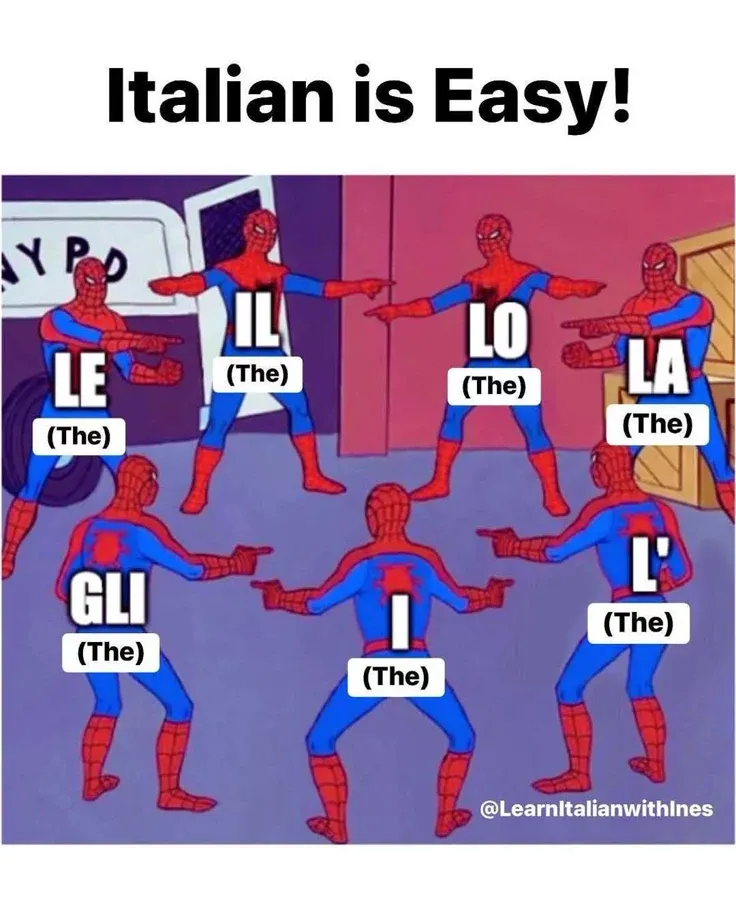
I can confirm that this still trips me up sometimes.
PARTING WORDS:
If you are reading this, then hurray! You survived my very first blog post. I hope you found it interesting, and I hope that you will tune in next time to hear all about my first couple weeks abroad!

