Hello everyone,
My name is Jonathan Michel, and I am a senior at Florida State University majoring in Cell and Molecular Neuroscience on the pre-med track. I am truly honored to be selected as one of this year’s IDEA Grant Awardees. Alongside my research partner, Copeland Frazee, I will be working on nutrition and brain health in older adults.
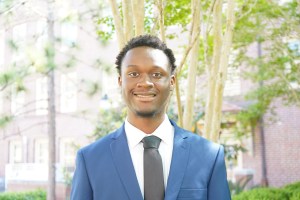
My research journey begam when I transferred to FSU and joined the Undergraduate Research Opportunity Program (UROP). Through UROP, I was fortunate enough to match with Dr. Julia Sheffler’s lab at the Center for Transitional Behavioral Science at the FSU College of Medicine. Her lab focuses on understanding how different biological and lifestyle factors influence cognitive functioning and overall health as people age. Since then, research has become a major part of my academic experience. I now also serve as a UROP leader where I mentor other transfer students as they begin their own research journeys. Being able to guide others through a process that once felt new and overwhelming to me has been incredibly meaningful.
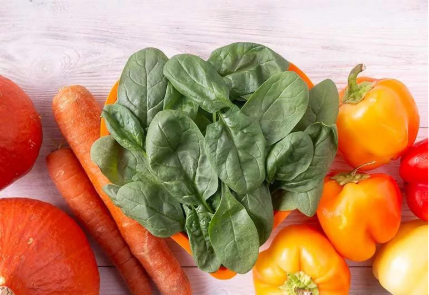
During my time in the lab, I had the opportunity to work on a study examining Mediterranean Ketogenic diet intervention and its effect on gut and brain health in older adults. This experience sparked my interest in how nutrition influences cognitive aging, especially through compounds called carotenoids. Carotenoids are natural pigments found in fruits and vegetables like carrots, spinach, and sweet potatoes. While they are responsible for the vibrant colors of these foods, they also play an important role in supporting the brain and vascular health due to their antioxidant and anti-inflammatory properties. These properties are particularly important in aging populations, where inflammation and oxidative stress are closely linked to cognitive decline.
One challenge in nutrition research, however, is how we measure what people eat. Many traditional methods rely on self-reported data, such as 24-hour dietary recalls. While useful, these methods depend heavily on memory and estimation, which can introduce error especially in older adults who may already be experiencing changes in cognition.
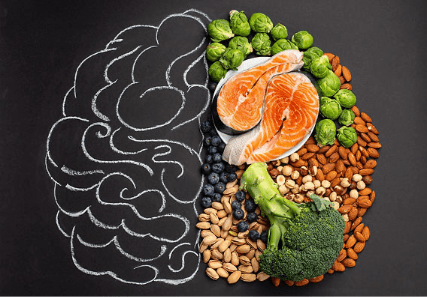
My idea grant aims to address this issue by comparing two diverse ways of measuring carotenoid intake. The first is an objective method using a device called a Veggie Meter, which measures skin carotenoid levels through a quick, non-invasive fingertip scan. The second is the traditional self-reported method using dietary recalls to estimate fruit and vegetable intake.
The goal of our study is to determine which of these approaches better predicts cognitive and physical functioning. We will be looking at outcomes such as memory, executive function, and motor performance in older adults. Additionally, we are interested in exploring whether these relationships differ based on cognitive status, such as in individuals with mild cognitive impairment. Over the course of 12 weeks this summer, we will be recruiting participants, conducting assessments, and analyzing data.
For me, this project is more than just researching it deeply. My interest in neuroscience and aging is rooted in my own experiences with family members affected by cognitive decline. That perspective continues to motivate me as I work toward my long-term goal of becoming a physician scientist. I hope one day contributes to improving the quality of life for aging populations while also advancing our understanding of neurodegenerative diseases like Alzheimer’s.
The IDEA Grant represents an important step in that journey. It has given me the opportunity to take ownership of a project that brings together nutrition, neuroscience, and aging in a meaningful way. I am excited to see where this experience leads and to share my progress in the months ahead.
 HSF House Blogs