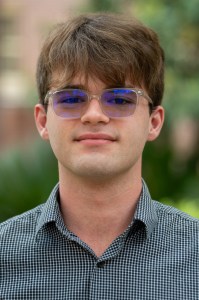
My name is Lucas David Gonzalez, and I am a filmmaker at Florida State University focused on telling human stories through cinematic worldbuilding, no matter the scale. My work is influenced by my background growing up in Maracaibo, Venezuela, before immigrating to the United States at a young age, an experience that shaped my understanding of inequality, resilience, and the systems that define people’s lives.
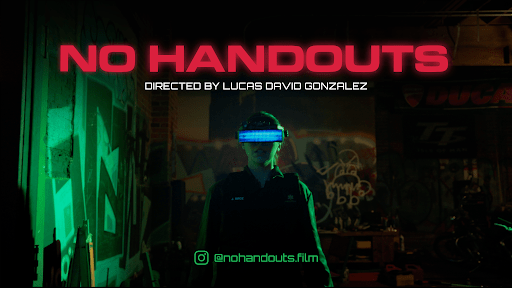
My current project, No Handouts, is a short science fiction film set in a near future in which healthcare has been fully privatized. The story follows Joanna Broz, a rookie EMT working for a corporate medical service, who is forced to confront a moral dilemma: whether to follow orders or risk her privileged livelihood to save an innocent child. At its core, it’s a cautionary tale to prevent medicine from prioritizing wealth over lives.
Over the past semester, I completed principal photography for No Handouts, an intense and collaborative process that brought together a full cast and crew to translate the story from script to screen. Filming allowed me to focus on performance, blocking, and visual composition, but it is only one phase of the filmmaking process. Now, the project enters what I believe is the most transformative stage: post-production.
This summer, my primary goal is to bring No Handouts to its final form through a rigorous and professional post-production workflow. The first milestone is achieving picture lock, where the edit is finalized, and the structure of the film becomes fixed. This stage is critical because it determines the pacing, emotional rhythm, and narrative clarity of the entire piece.
Once picture lock is achieved, I will move into sound. This includes dialogue editing, audio mixing, and sound design, all of which are essential in building the immersive cyberpunk world of the film. Sound is a storytelling tool that shapes emotion, often referred to as making up 40% of a film. Designing the sonic environment of a high-tech, low-life, future will be key to making the film feel grounded and believable despite the genre.
I will also be working on color grading to finalize the visual identity of the film. The cyberpunk genre aesthetically relies heavily on controlled color palettes, contrast, and lighting consistency, and this stage will allow me to unify the look of the project and reinforce its tone. I will also be outsourcing the film’s score, collaborating with a composer who enhances both the emotional arc of the protagonist and the broader thematic tension of the world she inhabits.
Beyond the creative aspects, this summer will also focus on preparing the film for an audience. I will continue building the film’s social media presence, maintaining engagement with the community that supported the project through crowdfunding. Part of this process includes delivering perks promised during the campaign, ensuring that supporters are included in the film’s journey from production to release.
Finally, I will be researching and submitting to film festivals that align with the tone and goals of No Handouts. This involves not only selecting the right festivals but also preparing all required materials, including trailers and submission packages designed to give the film the strongest possible chance of being seen. The goal is to position the project within a competitive circuit where it hopefully can reach both industry professionals and wider audiences.By the end of the summer, No Handouts will be fully prepared to enter the world. This project represents a critical step in my development as a filmmaker, not only in terms of creative execution but also in understanding the full lifecycle of a film, from concept to distribution. Through the IDEA Grant, I am not only finishing a project, but I am also learning how to bring a story all the way to its audience.

