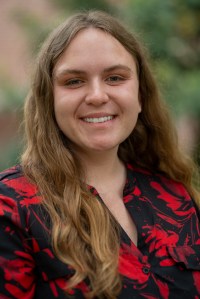
Hello! My name is Ainsley Bowie, and I am a junior at Florida State University. My major is Public Health, and one day I hope to attend graduate school. With the help of the IDEA Grant Program, I will be completing a research project this summer for my Honors in the Major thesis on social isolation and the social environments of individuals who have had an ostomy for over five years.
An ostomy is created through a surgical procedure that diverts bodily waste through an opening in the abdomen called a stoma. There are many reasons an individual may need an ostomy, including colon cancer, ulcerative colitis, Crohn’s disease, diverticulitis, or injury. Anyone may need an ostomy in their lifetime, including young children, the elderly, the chronically ill, and even healthy individuals. It is estimated that 725,000 to one million individuals have an ostomy in the United States (approximately one in 500 Americans).
While an ostomy is a life-saving medical device, the life-altering experience can impact many individuals’ social relationships and activities. An ostomy can cause individuals to struggle with stigma, their body image, their physical integrity, and autonomy. Fear of judgment, leakage, or odor can cause individuals to quit meeting friends, attending events, and going places they used to enjoy. This can exacerbate social isolation and feelings of loneliness, which can produce negative mental health outcomes and contribute to a poorer quality of life. Social isolation is characterized as an individual’s detachment from social networks, resulting in a lack of meaningful relationships, while loneliness is the subjective feeling of being alone or disconnected from others.
For my research project this summer, I will be interviewing 20 individuals who have had an ostomy for over five years. I will be asking them questions related to their ostomy and how they feel their ostomy impacts their feelings of loneliness, social health, and their social environment. I will also ask questions about their experience of aging with an ostomy. During the interviews, participants will also be asked to map their social environment before having an ostomy and then map locations they currently visit. The participatory mapping component will help to situate themes found during the interviews within one’s social environment.
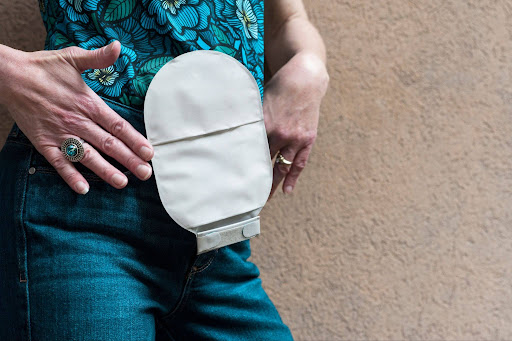
Thenikonpro – stock.adobe.com
Based on a review of the literature, I conducted while writing my Honors in the Major prospectus, most research focuses on the transitional period of getting an ostomy (i.e., usually under the first three years); however, many individuals will have their ostomy for decades and the rest of their lifetime. Although some studies regarding social isolation have included long-term ostomates, these studies do not specifically examine how having and aging with an ostomy has impacted their social isolation over time.
Currently, I am waiting for approval on my IRB. I hope to receive approval before the end of April, so I can recruit through the month of May and begin conducting interviews at the beginning of June.

