By Ilayda Yildirim, Monroe Community College
Hello,
I went to Paris, France this June 2025. I truly will never be able to forget this trip and the knowledge I gained through the streets, museums, taking photos and talking with people. My group and I’s mission was to research photography, and the objective of my research was to see how Parisian and tourist photographers photographed Paris. What aspects of the city did they emphasize? what artistic styles did they use? And why are they important?
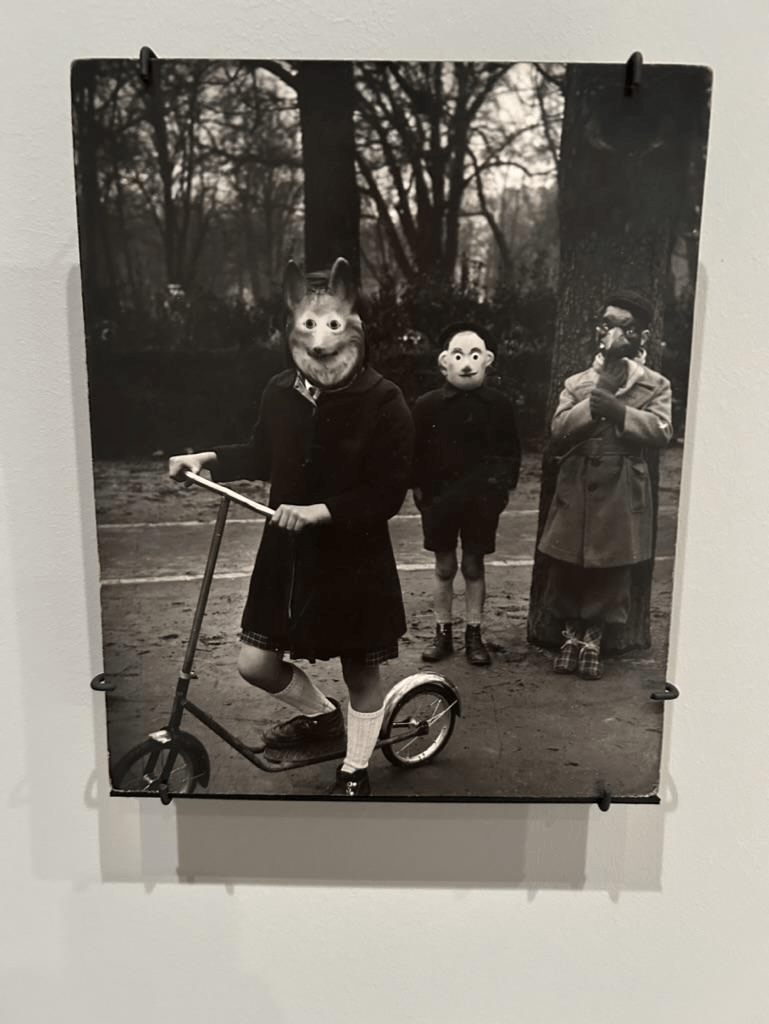
For my research I followed the photographers through history from 1830s to today. For some context I will tell you guys about the artistic styles they used and some things about photography. Surrealism is creating art that dissolves reality into a dreamlike reality. “But what about how they are taking pictures?”, I’m glad you asked. In the early years of photography, photographers would use liquid chemicals and coat a metal or glass plate. Then, that plate is placed in a very old camera that didn’t even a button to “snap” a photograph. This camera will have a lens and a lens cover that when removed, will allow light to enter the lens and reflect what it is seeing onto the plate. This is why many old photos people are not smiling, it took long for an image to be done.
This leads perfectly to the content of my research. I learned that early photographers like Nadar, Parisian, and Florence Henri, American born Swiss, pioneered technical advancements like Nadar’s hot air balloon “aerial” photography and artificial lighting. Henri’s genderless and abstract art. Street photography allowing for a better global perception of Paris by Robert Doisneau, Parisian. Influential women like Lee Miller, American, and Agnes Varda Belgian French who was influenced themselves by Surrealism. There is a direct connection from Nadar all the way to Varda and that is the progression of photography. Nadar innovated new technology, Henri inspired people and future art styles by their experimentation with mirrors and bent the standards of photography. Which at the time, standard portraits and celebrity photographers were being confronted by those creating work that isn’t a direct copy of real life and alters reality. With newer technologies like film people like Doisneau were able to capture and emphasize the people of Paris in their work and other moments that important affect the global perception of Paris. Lee Miller and Varda were important as they were in a male dominated field and showed progress in society, in the past women would not be credited with the work they did under a male so, their success paved a way for women in photography. All of this way relevant to track the progression of photographers and see how they portrayed Paris
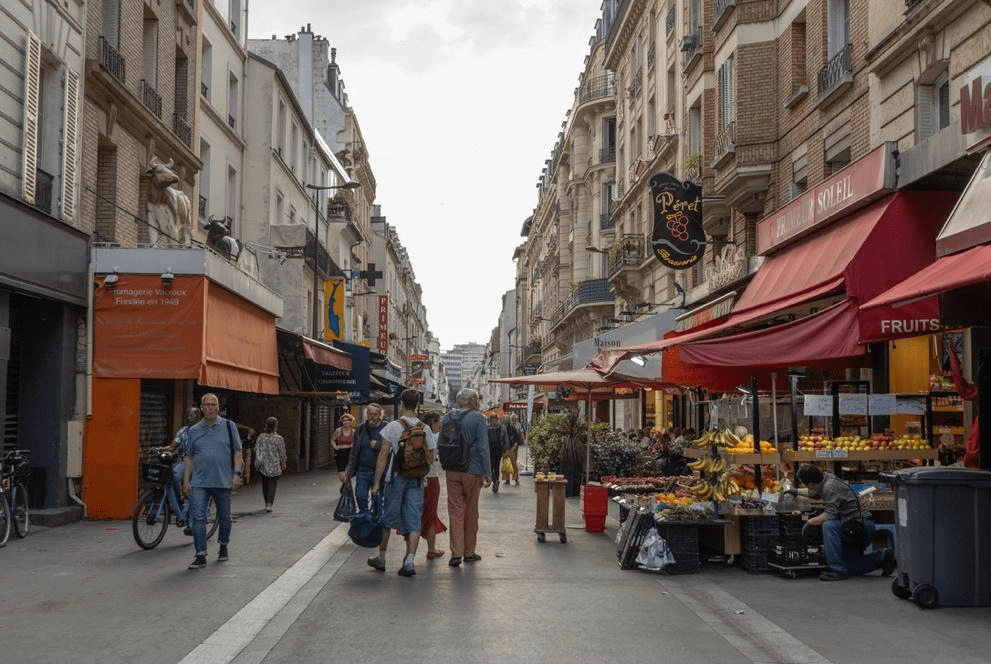
Being in Paris helped me solidify my prior research. I can always connect the dots from articles and books but actually really being there in the museums and seeing Agnes Varda’s early Paris photography backed my online research and I was able to see her surrealist pieces like a series of people in animal masks. I also learned how to better take note of the material I am researching, I wanted to learn so that push guided me to leave my comfort zone and be more open minded to the space around me. This was especially true when I was taking my own street photography and getting a sense of what street photographers felt and the rush of trying to capture a moment. I made me appreciate the past photos of Paris and to see what it looks like now. I will insert a photo don’t worry! I also learned how to connect with people outside of language, when someone asks you to a take a photo for them, a lot smiles, hand gestures seem to get the job done. An important message I learned in Paris was to go slow. The French start their day earlier and end their night later. Experiencing the sun setting at 10PM compared to my city’s sunset being around 8 to 9PM, in person, in Paris really helped reinforce that thought. I want people to see my project and see my historical interests as well as my love for photography. From here, I plan to conduct smaller research projects like documenting hazelnut farms from my parents town and research the impact they have on local hazelnut buyers and will use this experience as a guideline for how I can organize and publish my work.