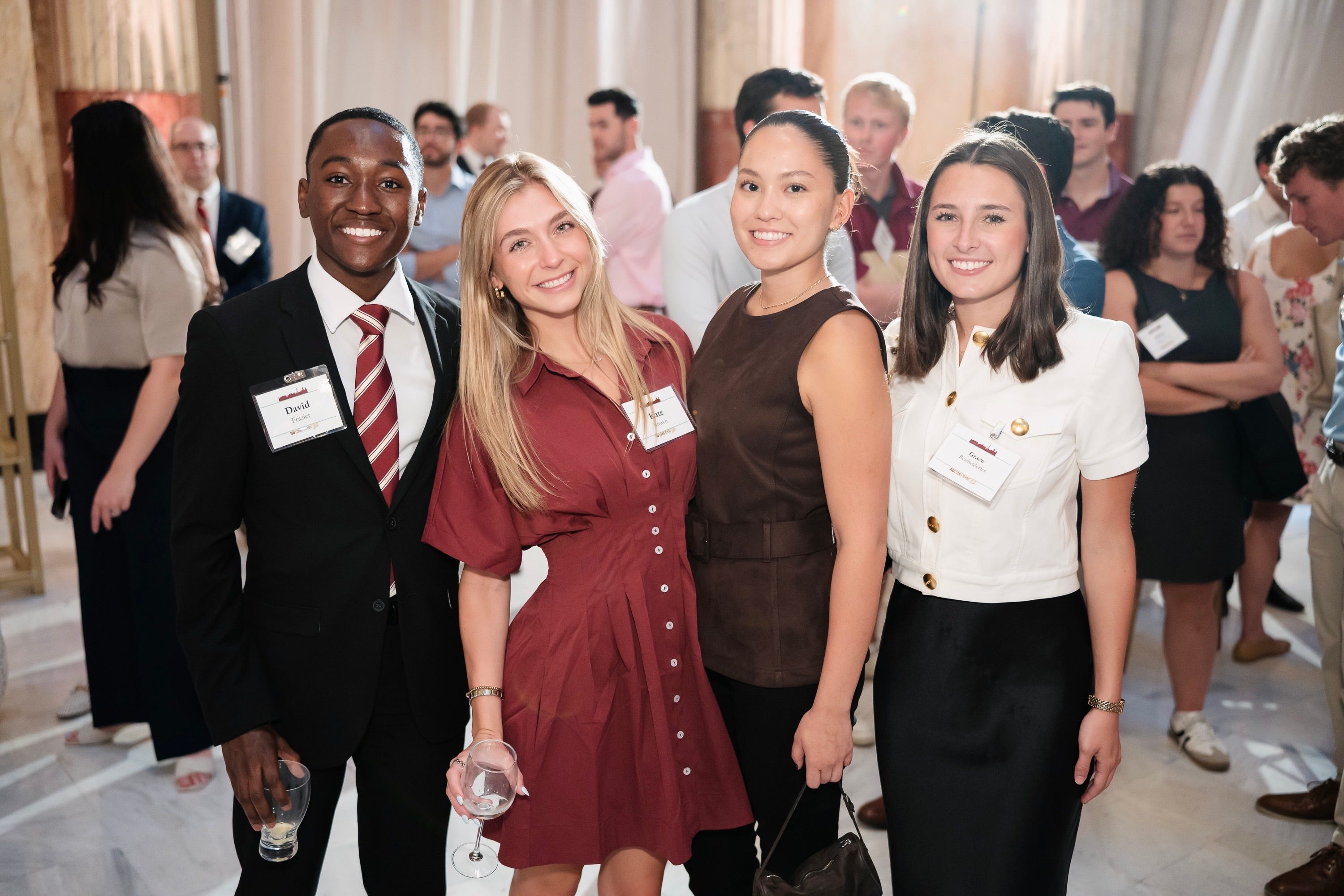
By: David Frazier
1 month left. As my summer experience is coming to a close, I have been reflecting on the purpose and goals of my research. My community-based inquiry is based investigating affective polarization and the role that governmental structure plays in exacerbating or mitigating partisan animosity. Polarization is not just some political science concept but it is something that affects our day-to-day lives. We cannot let politics continue interfere with our culture and society here in the U.S.
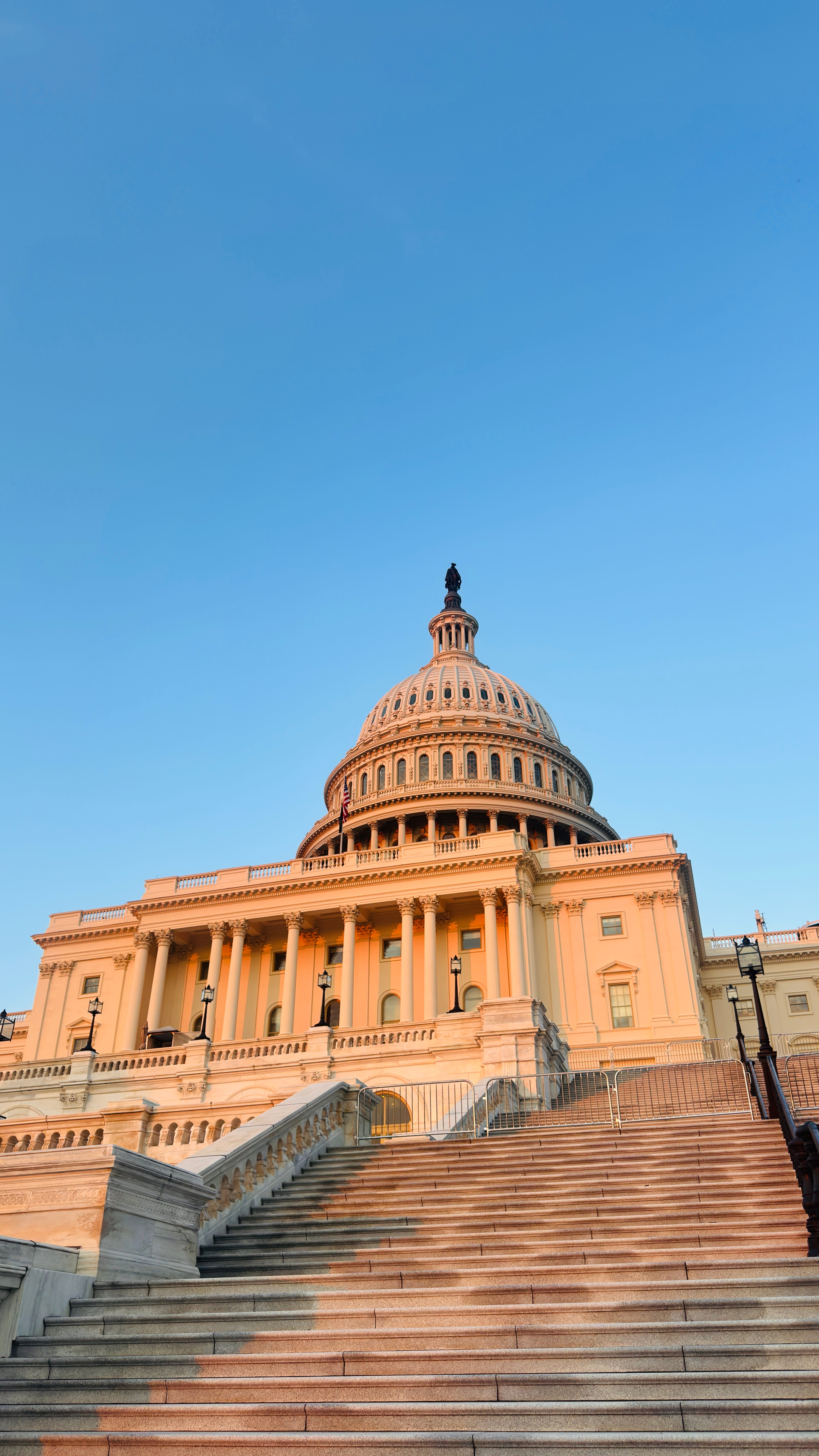
The direct stakeholders of my research are each of the countries’ governmental systems that I am studying: the U.S. and the U.K. However, the indirect stakeholders of my research are the people of each of the countries. The people play a huge role in how our democracies function. There is no democracy without people. Polarization stems from a perception gap where people overestimate their differences with one another.
As a college student during such a tense political climate, I have been a first-hand witness to the negative effects of polarization, and I have made it an effort to try to limit the perception gap and find similarities within my differences with others. In addition, I have previously research the effect of reels/short-form media on the linked fate of African Americans as compared to white Americans. I have multiple career aspirations but ultimately I want to help people find the positive in our differences and disagreements.
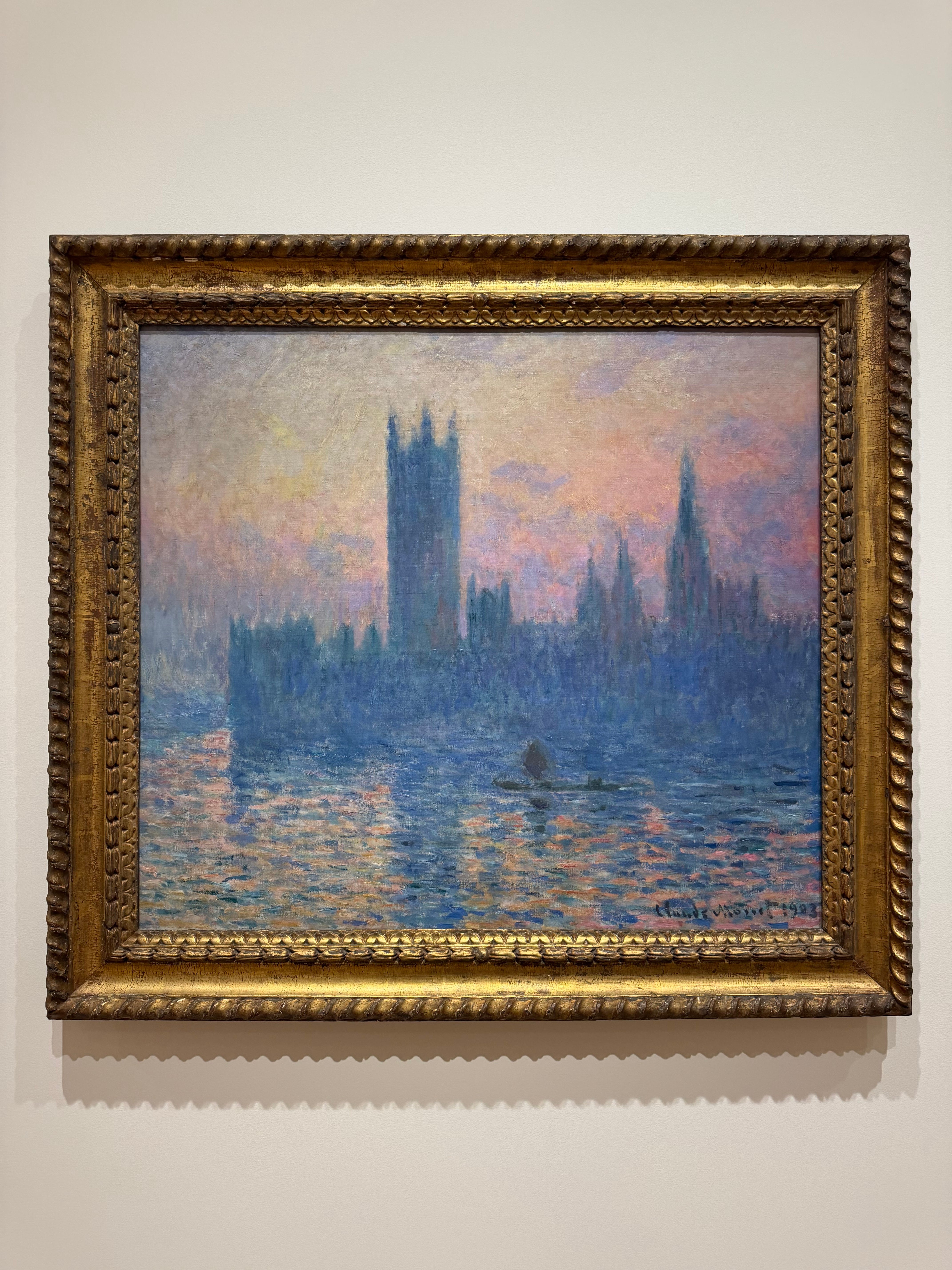
A realistic perspective on how we can help close the gap in polarization is pointed towards other variables but never the structure of our government. Widely accepted research points to civic engagement as being a solution to polarization, or even governmental structure and political parties but never a solution through comparison to another democracy. I believe that U.K. politics and their multi-party system has offered a unique perspective to this comparative research I am doing as the rise of short-form media is also affecting their society. This is valuable in terms of how we can engage in politics in the future (i.e. amount of funding in campaigns, electoral process, etc.). Coalitions are useful, but they can have a negative impact and it is important for people to form their own opinions.
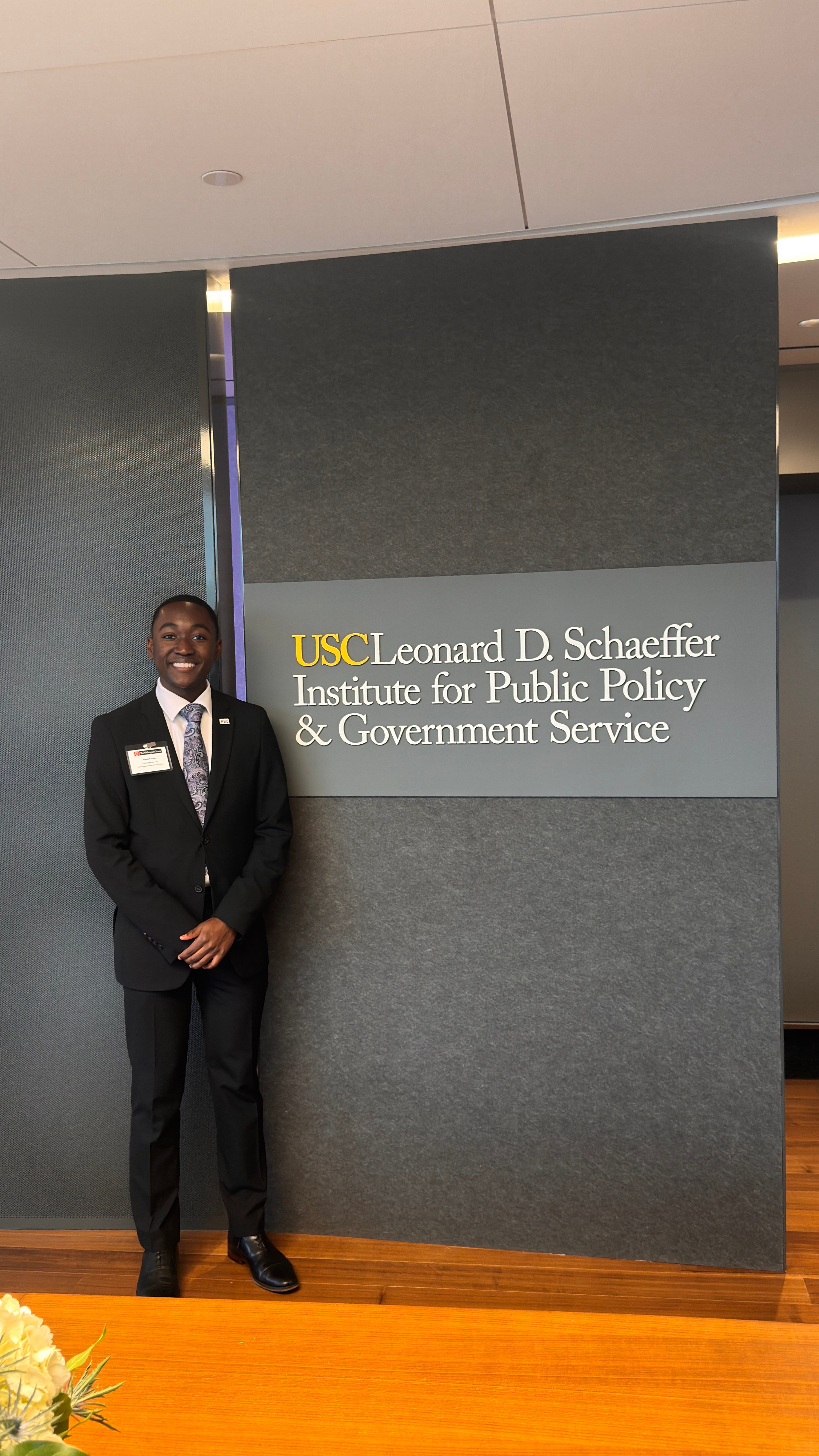
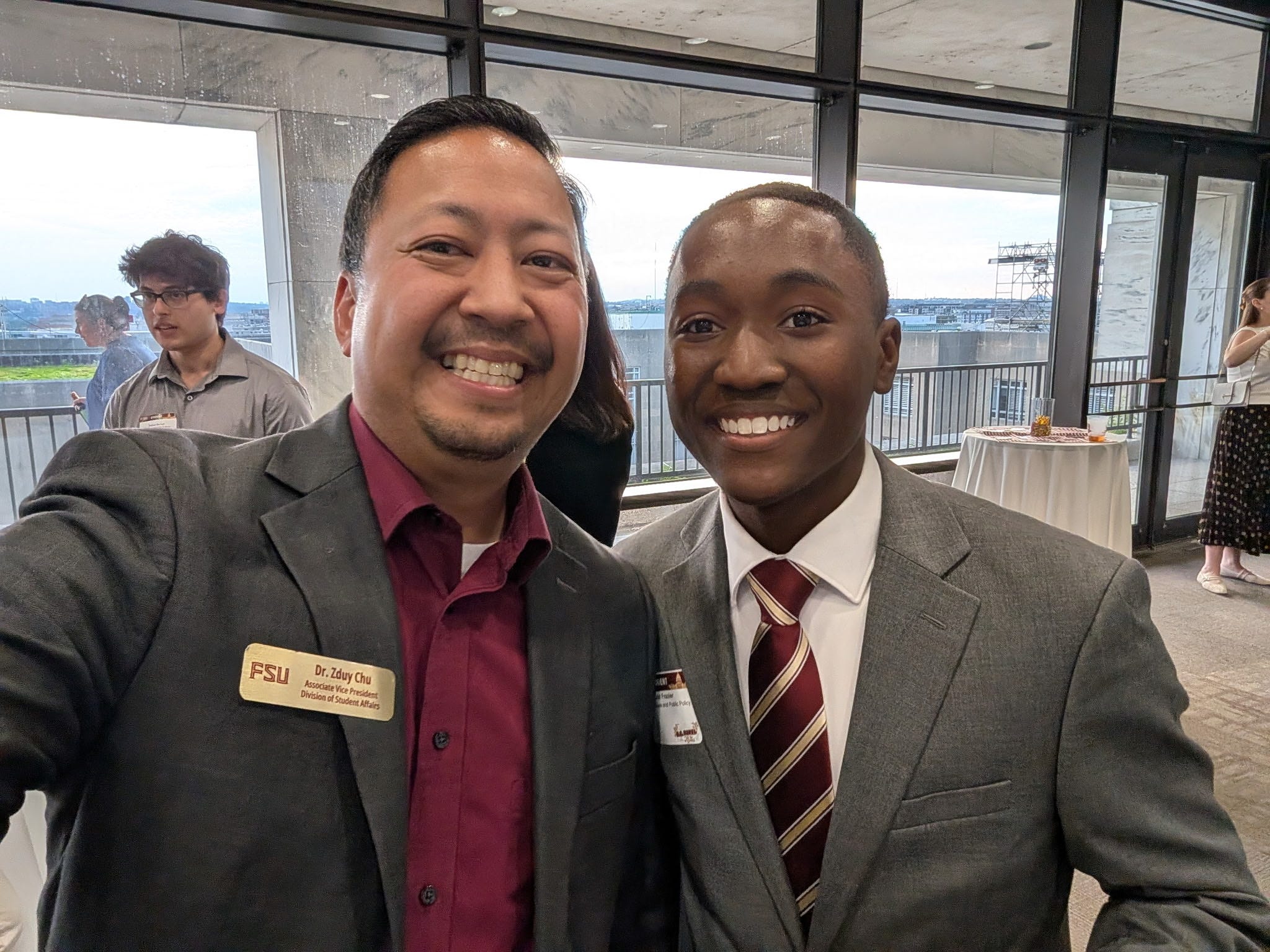
In pursuit of my capstone, I have built and am building relationships with many different academics, professionals, peers, and citizens. From my days at the London pubs having random conversations about American politics with locals, to now discussing politics with other interns, I have had a chance to connect with people from all backgrounds this summer. I have truly met some of my best friends this summer, and cannot wait to continue to grow our friendships. On the other hand, I do not foresee a lot of the other relationships being maintained after the Global Scholars experience, but that is the beauty in conversations like these. We are able to acknowledge our flaws and find ways to grow from our imperfections. These conversations are critical to the life of our American democracy. The relationships I built will serve as reminders that you can always find something to connect with others on.

