Rethinking American food habits and adjusting to Spanish Culture
By: Ellie Boehme
Of course, paella is one of the staples of Valencian food culture; however, rather than just “culturing” myself with this classic dish, this summer I hope to go beyond the plate and learn the social importance and patterns of Spanish food culture. I arrived in Spain on Tuesday evening, June 16th, and will remain here until July 25th! I have already met tons of incredible students who are passionate about experiencing a new lifestyle. I will interview about 5-8 students for my project, and I see myself fostering these relationships long after Global Scholars. These students in FSU’s 6-week Valencia program are direct stakeholders involved with the subject I’m exploring, directly experiencing the transition from familiar American food habits to Spain’s Mediterranean-influenced food culture
Classes will begin on Monday, June 22nd. During the weekdays, I plan to connect with faculty and staff, who are direct stakeholders in my project. I hope to interview 2-4 returning/permanent faculty members to add a contextual layer, focusing on observations and patterns they’ve noticed in students over time. Their perspectives are important because they can identify patterns in how students adjust to food culture, as well as issues and misunderstandings that students face or experience.
My research also involves indirect stakeholders like local Valencian restaurant staff, market vendors, grocery store workers, and community members who help shape the food environment students are entering. While I don’t plan on interviewing these stakeholders, I will strive to make many observations about these various environments. I’ll also be documenting common menu items and grocery store prices in Valencia to compare how accessible “healthy” food is. I’ll journal my interactions with local Valencias and their takes on what makes their diet different from typical American diets. On top of that, they’ll help me distinguish between foods that are truly part of everyday Spanish life versus tourist-oriented dining experiences and explain meal timing (like late lunches and dinners) and the social importance of food in Spain.
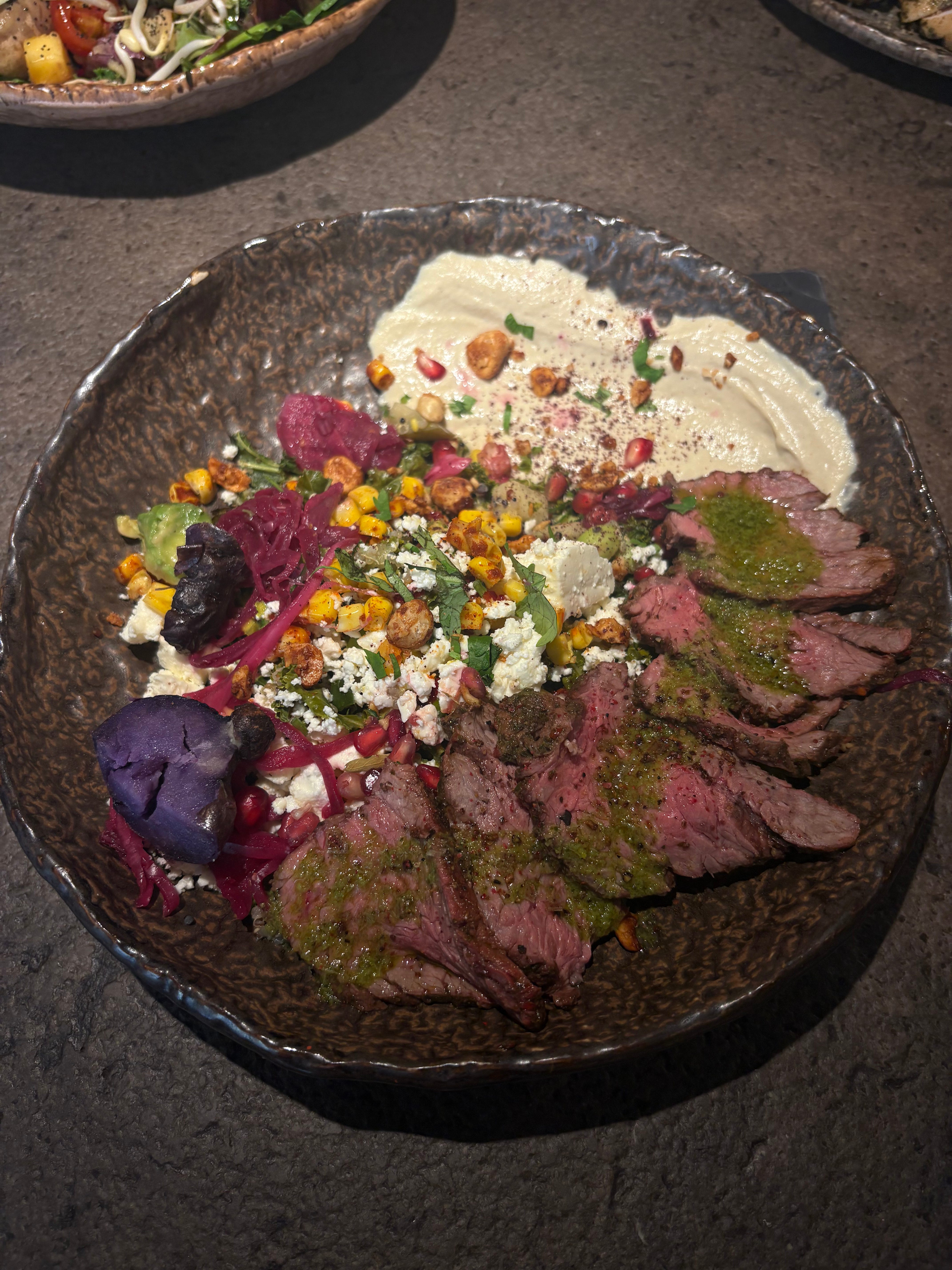
Much literature has been published on the impacts of adhering to a Mediterranean diet, with a major emphasis on the health benefits. Research suggests that many young Spaniards still maintain Mediterranean eating patterns, but many have shifted away from traditional dietary habits and have increased consumption of fast food, sweets, and processed foods. However, less attention has been given to how international students experience and adapt to this cultural food relationship in real time. My project builds on existing research by examining these experiences from a qualitative, reflective perspective rather than a “cause-and-effect” one.
As an exercise physiology major on a pre-health track, I am naturally interested in how diet and lifestyle affect physical health, energy, mood, and overall wellness. Before arriving in Valencia, I had an assumption that the Mediterranean diet was automatically healthier and more balanced than a typical American diet. However, through this project, I want to be careful not to romanticize Spanish food culture or assume that every person in Valencia follows a perfect Mediterranean diet. I’ll see how easy it is to adhere to the diet and whether you feel any physical or mental improvements after adhering.
I have grown up with an awareness that daily lifestyle choices, especially diet and exercise, can have a major impact on long-term health. Due to a family history of hypertension, diabetes, and cancer, I find this study interesting on a personal level, as it gives an opportunity to see how the cultural setting, diet, exercise, and daily life impact health. I’m also interested to know whether students observe any physical or psychological changes during their stay in Valencia.

