Beyond the Textbook: Understanding Families Through the Eyes of a Community
By: Lizzie Alba
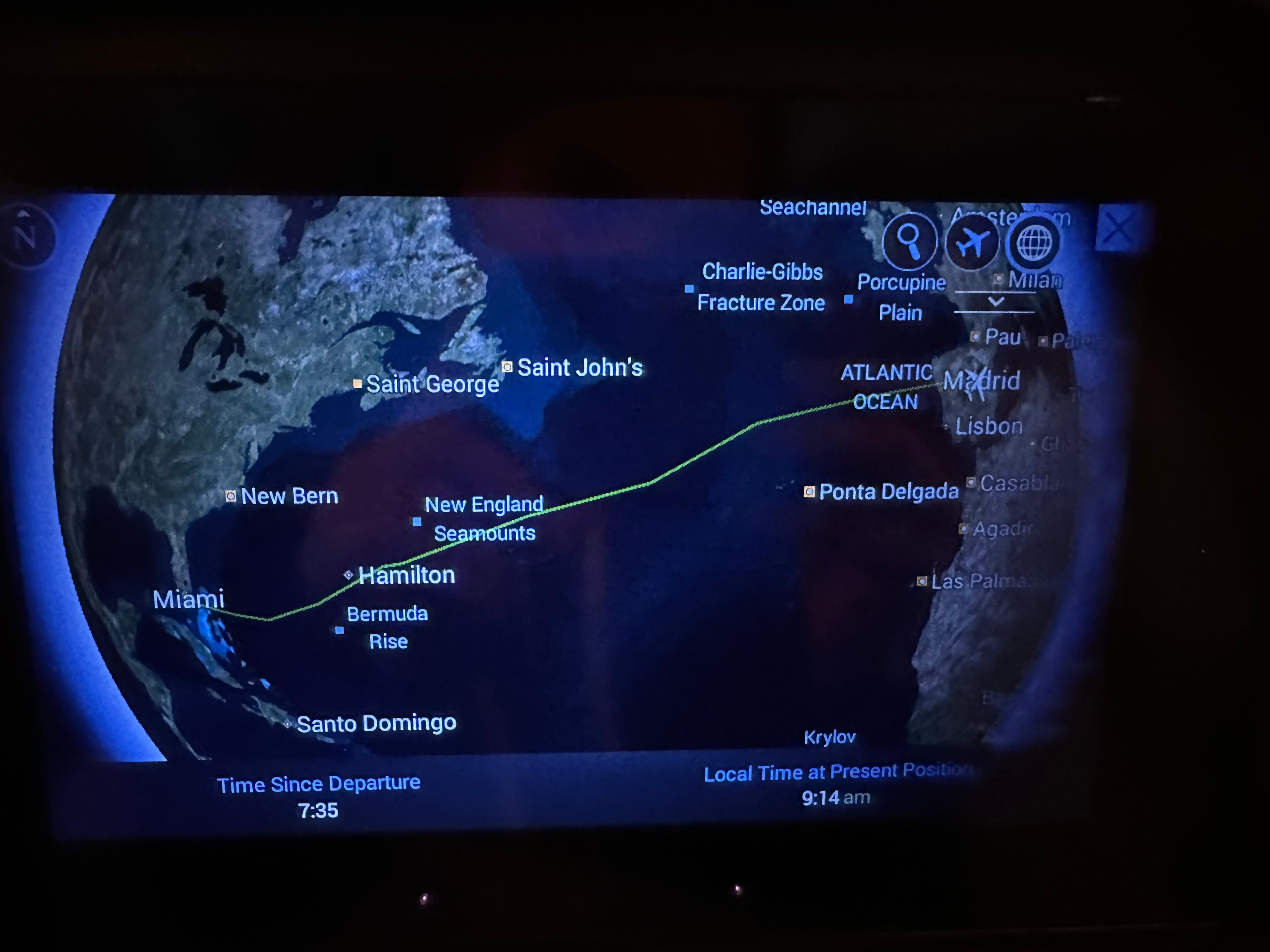
When I embarked on this journey, I was looking for divorced parents who were seeking co-parenting strategies and the techniques that are beneficial to follow in order to ease the transition for the kids and help their development. For this purpose, I decided to travel to Madrid, Spain, to a nonprofit organization that had some of these cases and helped those parents in the community who needed it.
Yet, I was surprised to see that the cases this nonprofit organization received were very sensitive and legally risky. Through my interactions with them, I have been able to perceive that really nothing is as it seems. One could see calm and well-behaved kids and really not know what is going on underneath, only having a few clues from their wrists and behaviors that only professionals who are familiar with the case can identify and intervene in.
Nonetheless, if there is something I have been able to strengthen from what I previously believed, it is that the most important people in a child’s life, their foundation, are their parents or caregivers. Luckily for these kids, this nonprofit organization cares a lot for them and meets most of their needs, helping them accomplish and reach what they want in life. I have seen firsthand how affectionate and caring they are and how much the kids need and receive that with open arms.
Although I have not been to several nonprofit organizations in the United States, I have seen organizations that have the same role, yet the affection is completely different, as the U.S. has a more individualistic view, caring more for one’s personal space and being more distant with the kids who are in similar conditions. As such, I would say that Spain has a more loving yet strict approach, which is what one would call authoritative, while in the U.S., for these cases, based on my observations, it is a more authoritarian approach.
Moreover, while the classroom teaches you techniques and different approaches, nothing can really prepare you for what one could call a perfect intervention with a kid. Thus, from my hands-on work experience with the kids and from the professionals in the organization, I have learned how to adapt different intervention techniques based on the kids, their stories, and the current situation.
From Student to Future Professional: A Journey of Self-Growth
Additionally, since the start of my Global Scholars program and the beginning of my summer experience in Madrid, I have become more confident in myself and the skills I have learned in the classroom. My previous textbook knowledge has given me a foundation that has eased my transition to the work that I do with the kids and their parents, how I evaluate them, understand them, and intervene. Yet, those techniques would not work as effectively without the guidance of the professionals.
I believe that through them, I have strengthened my cultural sensitivity, communication, and adaptability between cases. I originally believed that in order for one to be effective at one’s job and have a good intervention, one needed to know the techniques taught in the textbook, and that those would help one understand. However, now I know that without knowing the kid, where they come from, and their current situation, one would be lost in deciding what technique to use and could even get scared or impatient if results are not shown immediately.
Every family and kid is different, and now I know that more than ever before. The key to a successful intervention or observable improvement lies in understanding exactly that. Also, knowing that there is no such thing as a perfect intervention helps me understand that we all have limitations, and celebrating the slight progress or victories is what alleviates this gap and serves as motivation to keep moving forward.
Yet, my everyday interactions with these families strengthen my desire to become a Marriage and Family Therapist in hopes that I can prevent these families from reaching this critical point. So far, I have seen the consequences of inadequate co-parenting through the behavioral, emotional, and physical state of the kids. Similarly, I have seen how difficult it is for these parents to apply the proper techniques that are being taught to them.
A New Environment, New Perspectives, and New Connections
Growing up, I have heard a common saying that states that in order for someone to know and understand the circumstances of other people, one must at least see them firsthand. Thus, I do not think I would have been able to understand this community without interacting with them and walking around their neighborhoods.
At first glance, it looks like a good place, but once you walk among their streets, you see how poor and vulnerable they really are. In the U.S., I believe that although there is a lot of poverty, there are also a lot of resources and donations that are constantly rolling in. In this community, however, this is not as prominent.
Yet, although there are not a lot of resources, we can see that their culture is very collectivistic, and it makes sure to emphasize these values of caring for one another in their education. For instance, at the office, when it is time to eat, everyone sits at the table or helps look for more chairs and room for everyone to fit. Here, if someone does not have lunch, they share what they have with you and go so far as encouraging each other to eat more healthily.
Once lunch is over, we all, including the head of the organization, stay seated and let the food rest in what they call “sobremesa,” which means that we talk for the remainder of the lunch break even when we are no longer eating. This time has facilitated my interactions and connection with everyone, as we ask each other questions and learn more every day about each other.
On the other hand, I believe that in these past two weeks, I have made really good connections with the kids, especially the younger ones. As such, I have been able to hear what they have to say about each other, how they feel, and look a little into their lives, as I have not been able to fully grasp each of their stories.
On another note, when I first started working with them, I had the assumption that they were all Spaniards. However, I could not have been further from the truth. Just like in the U.S., Spain has been greatly populated by people from different countries, especially from Central America, Latin America, Asia, and the African continent. Thus, I have been able to immerse myself in even more cultures than the ones I had already worked with in the United States.
Where Do I Go From Here? Continuing the Journey
Ultimately, from these experiences, I have reshaped my observations and the direction of my project to fit best with the community while keeping my original goal of learning the techniques that facilitate co-parenting and child development.
I will continue my observations, keeping in mind what I have learned from my community and adapting to their respective circumstances. In addition, I will still be conducting interviews with the professionals, keeping in mind that not all of them have direct contact with the families. Thus, I will have to adapt the questions to match each one of them while still meeting the needs of the project.
Until now, the techniques that I have heard about overall are very practiced in the U.S. when it comes to the family education sessions, yet I will not be completely sure until I conduct the interviews.
As for the kids, I learned the technique of “squeezing lemons,” which is supposed to help a kid calm down and prevent further harm or escalation of the situation. I am sure that there are many more techniques that I hope to hear about and see as I continue my internship and conduct the interviews with the rest of the professionals at the nonprofit organization.

