By: Elizabeth Feldkamp, University of Missouri-Kansas City
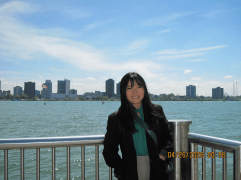
My name is Elizabeth Feldkamp, and I am a student at the University of Missouri-Kansas City studying Urban Planning and Design. I am from the Joplin, Missouri area. I have always been interested in the relationship between people, places, and the built environment, especially after natural disasters. Outside of academics, I enjoy spending time outdoors, visiting new cities, volunteering, and being involved in campus organizations. I am passionate about equitable methods and practices for pre- and post- disaster planning. Professionally, I hope to pursue a career in planning where I can contribute to disaster resilience, historic preservation, and community development. My goal is to help communities better prepare for and recover from natural hazards while preserving the cultural and historical assets that make places unique.
From June 7th-21st, I will be in Guatemala with my geology professor and classmate to conduct research focused on the long-term impacts of the 1976 Guatemalan earthquake. The project aims to better understand how the earthquake affected the environment and built environment, along with how communities rebuilt their structures. I will be assisting in creating a map that documents damage caused by the earthquake and developing phasing diagrams that illustrate the reconstruction history of some historical churches in Antigua, Guatemala. By examining the physical evidence of damage and reconstruction, we hope to better understand how natural disasters shape communities over time. The project combines elements of geology, history, and planning, which makes it an exciting interdisciplinary opportunity.
I was drawn to this research because of my interest in both natural hazards and historic preservation. As a planning student, I am interested in the ways communities adapt and rebuild after disasters. Learning about the 1976 earthquake and its lasting impacts on Guatemala sparked my curiosity about how recovery efforts unfold over time and how historic structures can serve as records of resilience. This project also provides a unique opportunity to apply what I have learned in the classroom to a real-world research setting.
Traveling to Guatemala will allow me to study these topics within the context where they occurred. Conducting research abroad offers valuable insights that cannot be gained through books or classroom discussions alone. By experiencing the
landscape, culture, and historic sites firsthand, I will develop a more comprehensive understanding of the relationship between geological processes and the built environment. It will also allow me to learn from local communities and observe how cultural values influence preservation and recovery efforts.
As I prepare for this journey, I am most looking forward to exploring Antigua, working alongside my professor and classmate in the field, and gaining hands-on research experience. I am excited to learn new methods of data collection and analysis while expanding my understanding of disaster resilience and historic preservation. While I am slightly nervous about navigating a new country and conducting research in an unfamiliar environment, I view these challenges as opportunities for growth. To make the most of my time in Guatemala, I plan to stay curious, engage with local perspectives, and fully immerse myself in both the research and cultural experiences. I hope to return with new knowledge, valuable skills, and a deeper appreciation for the resilience of communities facing natural hazards.
 HSF House Blogs