Manifesting a Bilingual Life: Intentions for Costa Rica
By: Alison Hoburg
Here I have detailed the goals and intentions I have for my summer, pre-experience. These goals are mainly applicable to my time in Costa Rica, due to the world of change I will likely be experiencing.
Three Things I Will Try/Do During My Summer Experience
1. Establish Spanish as another comfort language.
While I feel relatively confident writing and reading, active conversation in Spanish still scares me. I don’t want to mess up or embarrass myself, hence why in times of struggle, I revert back to my native language almost instantly. I’ll be trying out a conversation, but as soon as I hit a hiccup, I stop, apologize, and continue on in English. In Costa Rica, I want to practice staying immersed.
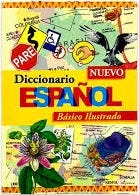
You know how if you don’t know the meaning of a word, you look it up in a dictionary? You find synonyms you do understand, and make connections to figure it out. In the same way, I want to learn new words by speaking more Spanish, not less. Instead of switching between languages to translate, I want to process new words in the language itself. Once Spanish becomes another comfort language, I’ll be able to implement it in my daily routine, my Capstone project, and my career. I want to build a truly bilingual brain.
2. Immerse myself in another way of life.
My second intention is to embrace the Costa Rican lifestyle, specifically by becoming an active part of my host families. We all grow up in our own, respective bubbles—including our larger, cultural circle, and our smaller circle of family and friends. These environments shape how we live. I am grateful to have this unique opportunity to be dropped into a completely different set circles. I will be spending two weeks with a family at the immersion school’s Monteverde campus, and another two weeks with a different family at the Heredia campus.
Viewing their similarities and differences will give me a holistic view of the Costa Rican culture as a whole, and also highlight the unique features of each family. I will adopt their routines—going to bed around the same time, eating the same meals, and observing how they spend their leisure and work hours. Even if things are different, I want to stay committed to learning and not automatically label it as “uncomfortable”—just different. This will also push my project forward by allowing me to ask for each family’s perspectives on their legal system and whether language barriers affect their confidence in having their needs met.
3. Bring pieces of Costa Rican culture back home.
I also want to intentionally recognize practices and pieces of Costa Rican culture to bring back home. I believe that small changes make a big difference, and I am curious to see if there are simple aspects of life I have been overlooking. I have no idea what I am going to specifically find during my experience, but I expect some things to be surprising—in a great way.
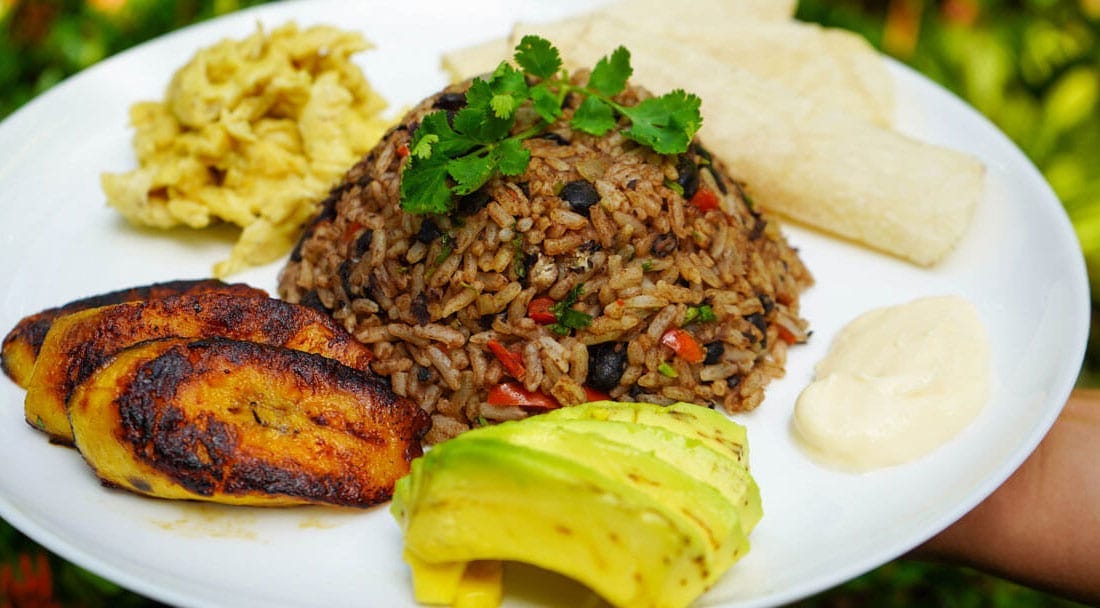
It might be a bedtime routine my host mom swears by, a study method my teachers use, a type of breakfast that starts my day off better, or a style of greeting that creates a more lighthearted community. I don’t know exactly what aspects of my life will evolve, but I have no doubt they will. My intention is to not just enjoy these practices for a month, but for life, and to share them with the people back home.
Two Skills I Want to Grow
1. Speaking about legal topics in Spanish.
I want to grow my ability to speak in Spanish about legal topics. This is incredibly important for my professional goal of becoming a bilingual attorney, and this trip is my first opportunity to truly combine my two pursuits (Spanish & law school). I will work on this skill through one-on-one classes, focused specifically on legal vocabulary and grammar. While conversational fluency is the foundation, the specificities of language in law take more focus than what is included in a general curriculum. I see this as the starting point towards becoming a bilingual lawyer, and while I know it will be a long journey, I’m excited to finally be jumping in.
2. Facilitating comfort.
While I consider myself a relatively approachable person, I want to practice concrete methods of creating open conversation. During my community-based inquiry interviews, I will take note of how people respond to greetings, questions, and specific tones. Are there phrases that allow people to relax, or words that trigger fear? In my professional life, I want my clients to be comfortable telling me exactly what they need. The entire point of becoming a lawyer, for me, is to help people, which can only be accomplished if we build a relationship and mutual trust. Learning the absolute best ways to facilitate comfort will make my specific advocacy goals attainable.
One Representation of How I’m Feeling
“Unwritten” by Natasha Bedingfield

This song perfectly represents the mindset I have—and want to continue having—as I dive into this experience:
- “Release your inhibitions”
- “Live your life with arms wide open”
- “Today is where your book begins, the rest is still unwritten”
Specifically regarding my apprehension of conversating in Spanish, and the intentions I have to break through that fear:
- “We’ve been conditioned to not make mistakes, but I can’t live that way”
- “Let the sun illuminate the words that you cannot find”
Nos vemos pronto en Costa Rica. ¡Adiós!

