By Saranna Shevalier, SUNY Oneonta
My name is Saranna Shevalier, and I am a senior with double majors in Anthropology and Biology at SUNY Oneonta, in upstate New York. In my free time, I work at a local coffee shop and help care for my disabled mother. The most important thing to me in the world is my family. My mother and I enjoy walking together and have always been avid outdoorsmen. Identifying plants and looking under rocks for insects are some of my favorite things to do on walks in the woods.
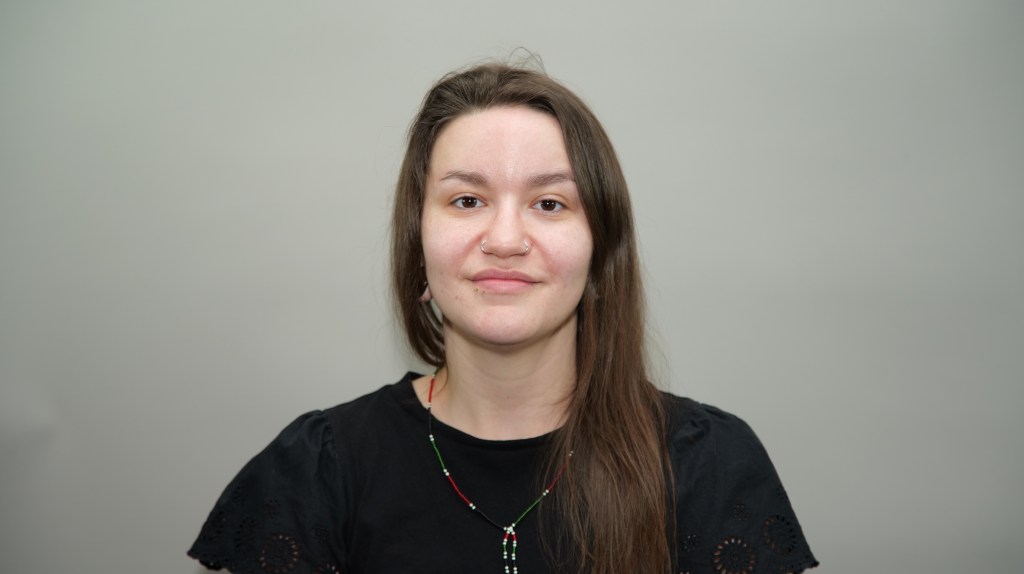
Professionally and personally, I am passionate about ecology. Growing up I always said I wanted to change the world although in hindsight I had no idea what that meant, and learning about science has helped me find a way to make a positive difference. I think that work in museum collections or science communication would be right up my alley! I would also love to teach at a conservation center or guide nature walks and especially would love to work with children.
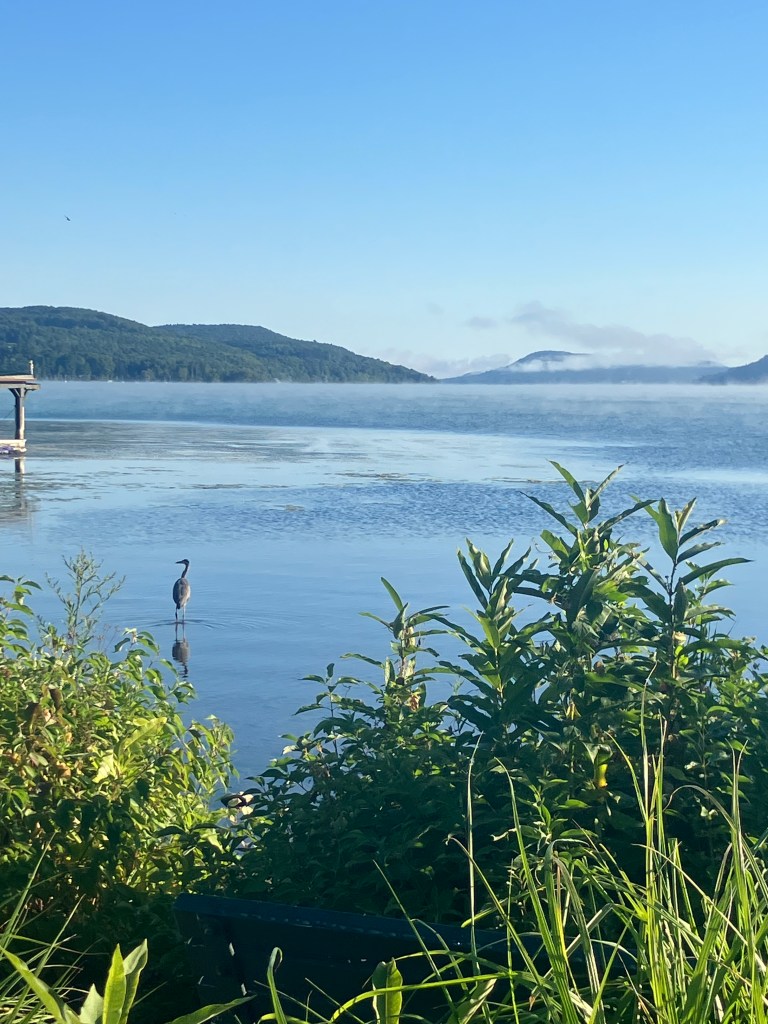
Here’s the view from my home at Otsego Lake in Cooperstown, NY!
This summer, I have been lucky enough to receive an internship position with the Koobi Fora Field School, through George Washington University. My research project this summer is on the availability of different grazing antelope species on the landscape, and what that could have meant for early human’s ability to hunt and scavenge meat as a resource. In order to test this hypothesis, we will collect animal fossils and teeth, identify them based on comparative collections, and create a spreadsheet with their preferences in water proximity, food preference, behavioral traits, and more. At the end of the summer, I hope to have a PCA (Principal Component Analysis) that I can begin to analyze and share at conferences next spring!
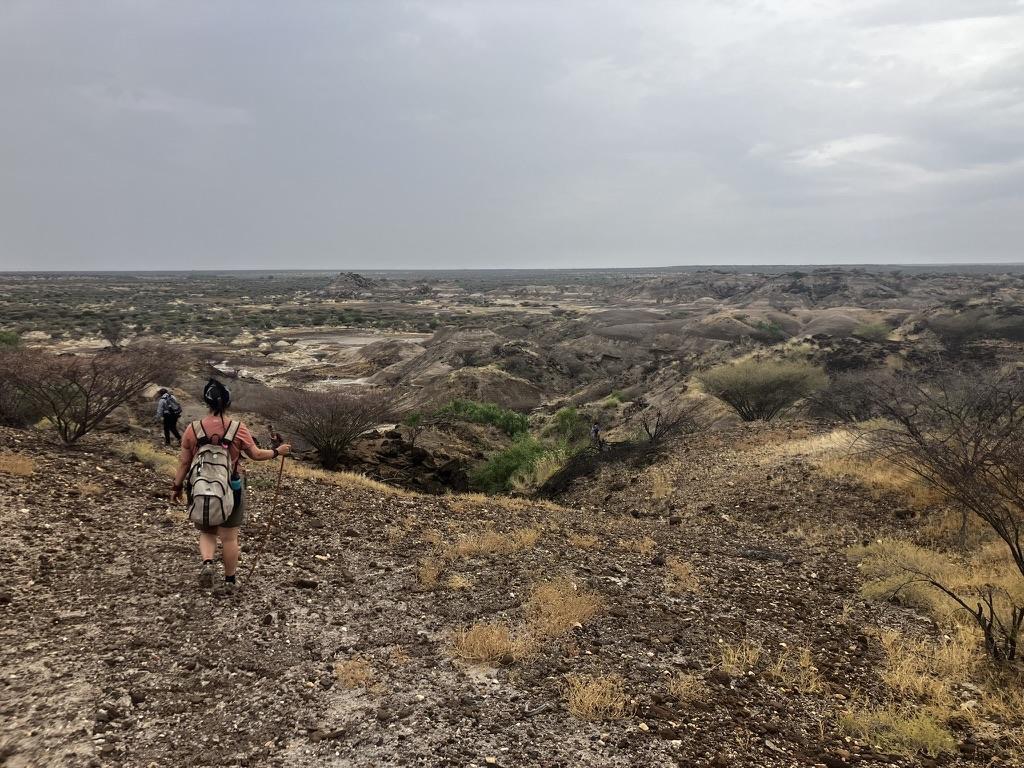
A picture from my field season last summer in Kenya! This is likely a site that I will revisit this year.
My travel to Kenya is essential in answering these questions. The African continent is the site of all human evolution prior to 1.8 million years ago, so the fossils enveloped in their soils may hold the key to our finding a deeper understanding of ourselves and the world we live in. I really love the research projects that I am able to be involved in because it bridges the gap between my two areas of interest, Anthropology and Biology, and I strongly believe that interdisciplinary studies provide a better understanding of our world. Most questions have more than one answer!
I went to Kenya last year for a similar project, with the same field school and made a lot of wonderful, life-long friends and connections. I am particularly excited for the game drive that we do every field season, where students go out in vehicles to see the natural ecology of the African savanna and bushlands. The site we will visit on our way up to Lake Turkana is called the Mpala Game preserve and it is my favorite place! Last year we saw hippos, baboons, vervet monkeys, elephants, oryx, jackals, zebras, impalas, gazelles, giraffes and even a lone female lion!
I am always nervous about meeting new people, as I am a little bit of an introvert by nature, but I know I will find common ground to connect on and I am excited because every person you meet leaves a little bit of themselves with you, as you do the same. I know that, similar to last year, I will return a different person. More humble, more grateful, with a message to bring to the world!
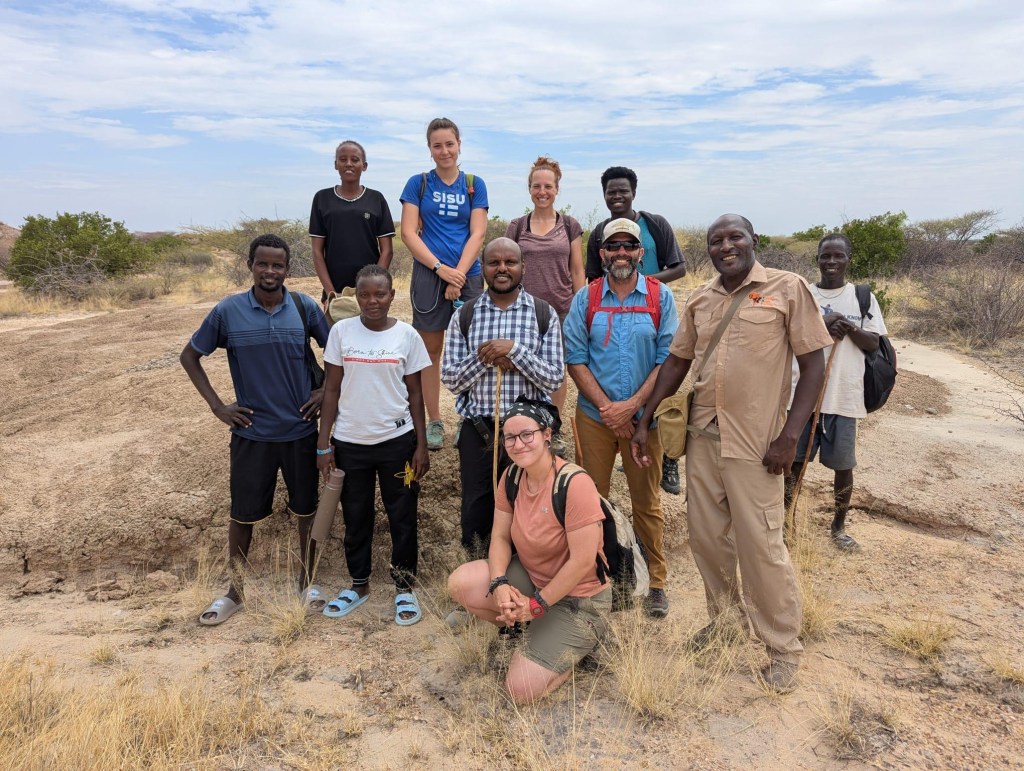
My research group, “Team Paleoecology”, that I met and worked with at the Koobi Fora Field School last summer.

