Hi everyone, Sophie here! With the start of summer, I’ll be updating you on how I am continuing to prepare for my four-week-long research trip to Riga, Latvia.
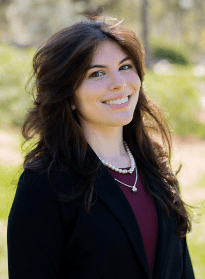
Sophie Works, Russian (Slavic) Studies and International Affairs Major, and Tyler Center for Global Studies Undergraduate Research awardee
To briefly recap, my research focuses on Russian lacquer art, a type of miniature painting form with deep historical, cultural, and ideological roots dating back to 16th-century Russia.
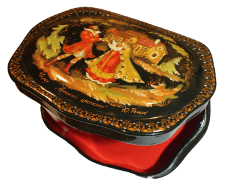
The Scarlet Flower, Palekh, USSR, Lacquer, papier-mâché
In practice, I will be doing archival work by interviewing ethnic Russians in Latvia, photographing their lacquer objects, turning those photos into 3D models, and curating an digitally accessible repository to provide a non-commercialized learning platform for these intricate pieces.
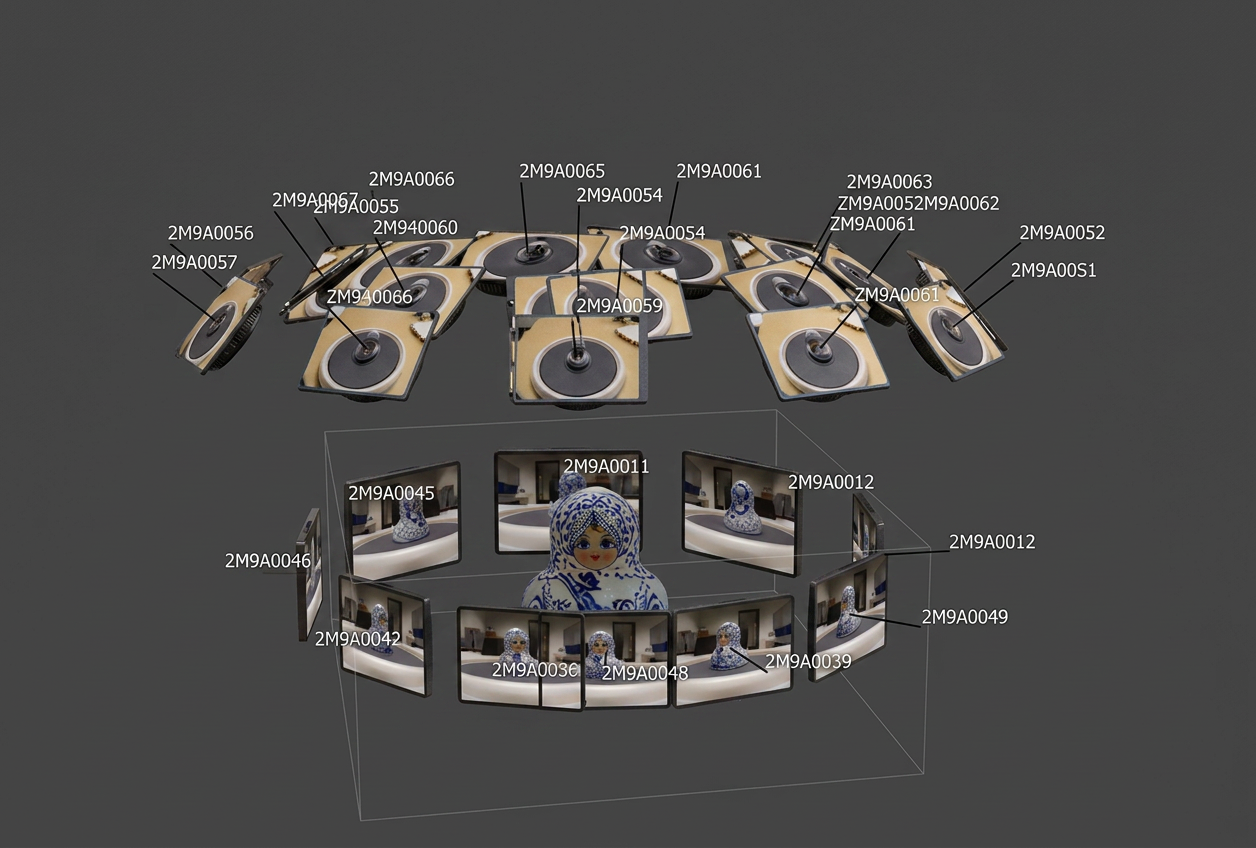
Process of Photogrammetry on a Lacquer Matryoshka Doll, Agisoft Metashape
In terms of preparation, the scary logistical stuff (flights, lodging, transportation, etc.) is, thankfully, already taken care of. However, there are a few more research-related tasks I need to check off my to-do list before I can solely focus on packing: recruiting more interview participants, translating my interview questionnaire to Russian, and practicing my interview process. To do this, I have had to further develop my outreach skills, outgoingness, cultural understanding, and technological fluency. An example of these skills being used can be seen in my recruitment process for interviews. Because lacquer art is mainly displayed in the home, every recruitment email I send out to possible participants asks if I can enter their home and touch, possibly, their most prized heirlooms and/or possessions…talk about awkward! So, to combat this somewhat uncomfortable question, I curated a mini flyer of myself showing my own lacquer collection, face, name, and shortened title of my study to be attached with each email.
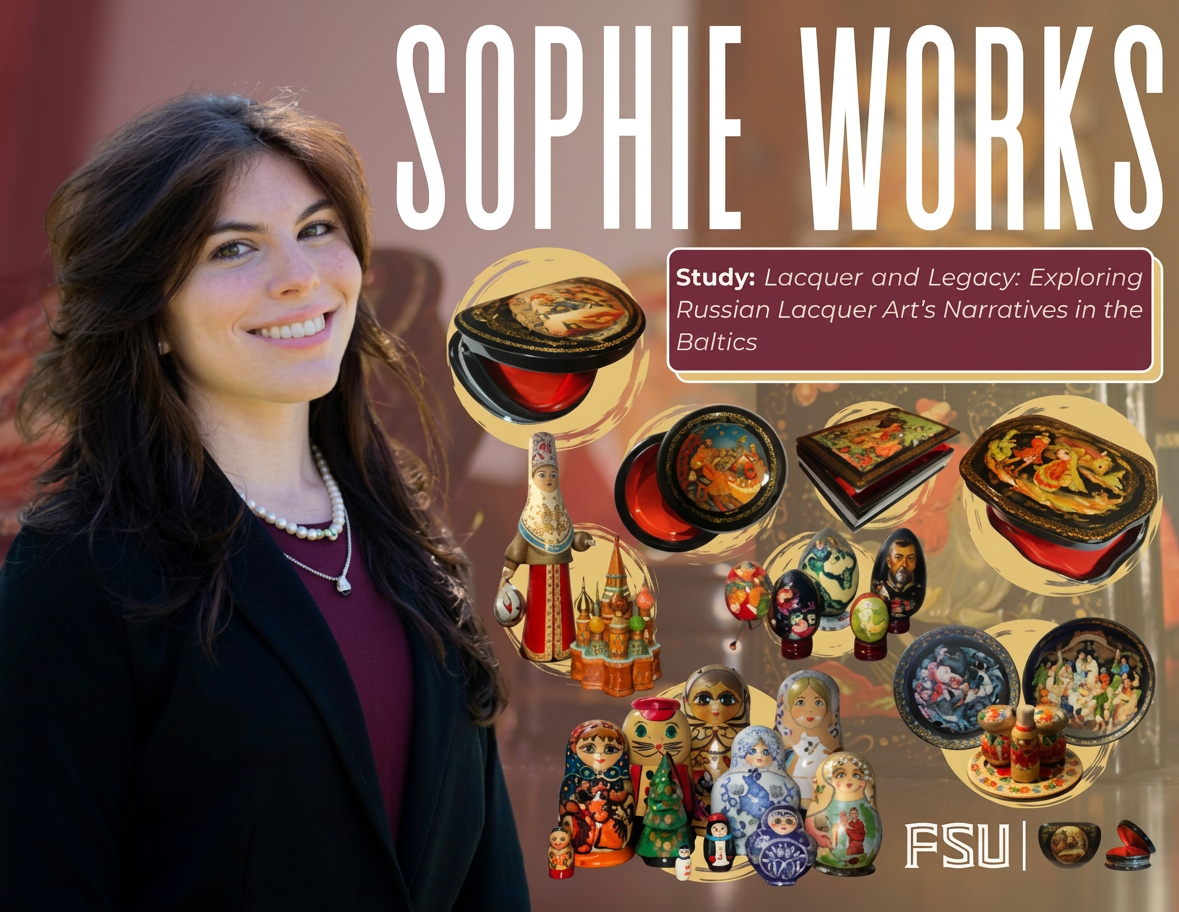
Sophie Works Meet Me, Canva
And while making this did ease my own nerves and cringiness, it has also made me consider being in my participants’ shoes much more. Because I am the researcher, it is easy to say that I would of course let a random stranger into my home to see my lacquer objects. But, trying to see it from the perspective of, perhaps, an older citizen on the other side of the world with a completely different worldview and reality, has opened my eyes to how I can reframe my interview process and project as a whole to be more approachable. For example, the full title of my research is “Lacquer and Legacy: Opening the Box to Soviet Narratives and Post-Soviet Realities.” However, talking about anything Soviet, or Russian in general, is considered highly political and unacceptable to talk about in public. Further, calling Latvia “Post-Soviet” may be received as extremely offensive, as they have been independent since 1991 and are undergoing intense de-Russification efforts. So, understanding when to use jargon—like Post-Soviet—versus more colloquially accepted terms—like the Baltics—is imperative to making my participants as comfortable as possible.
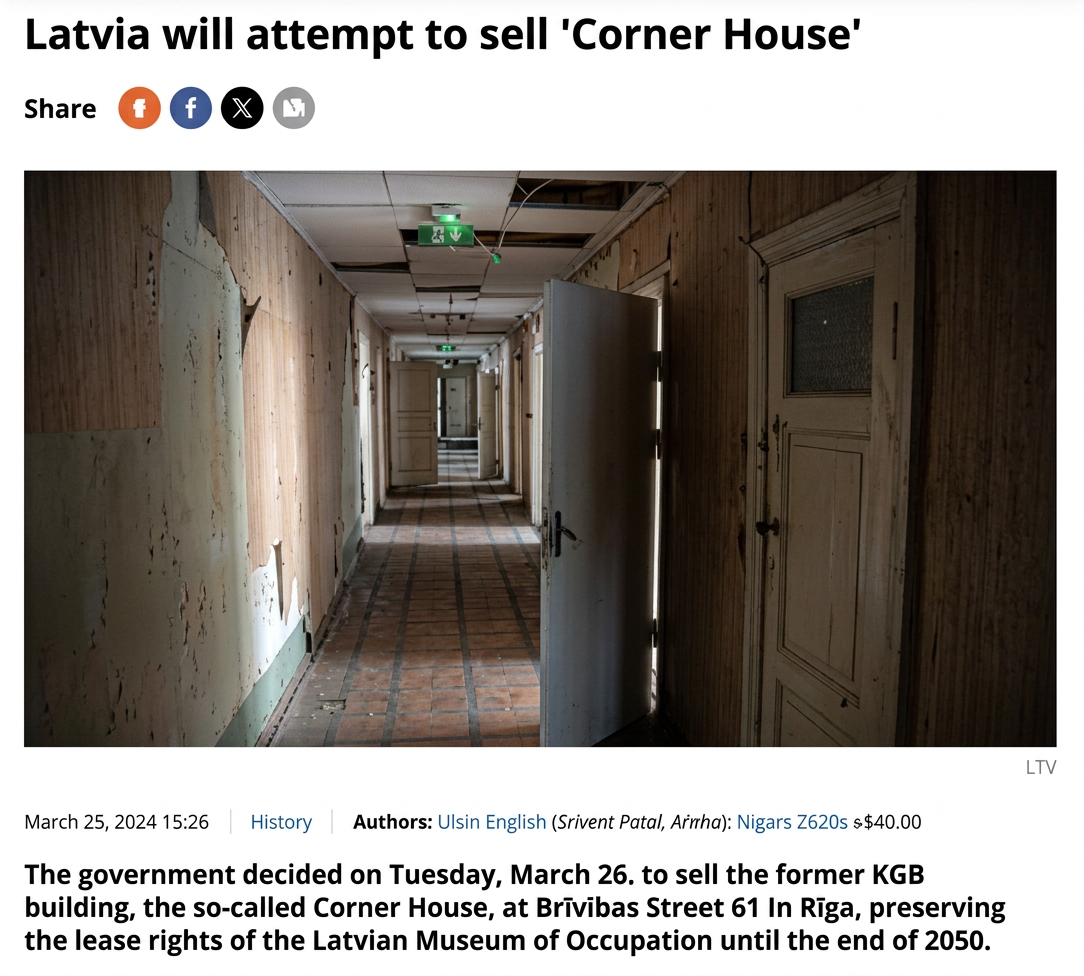
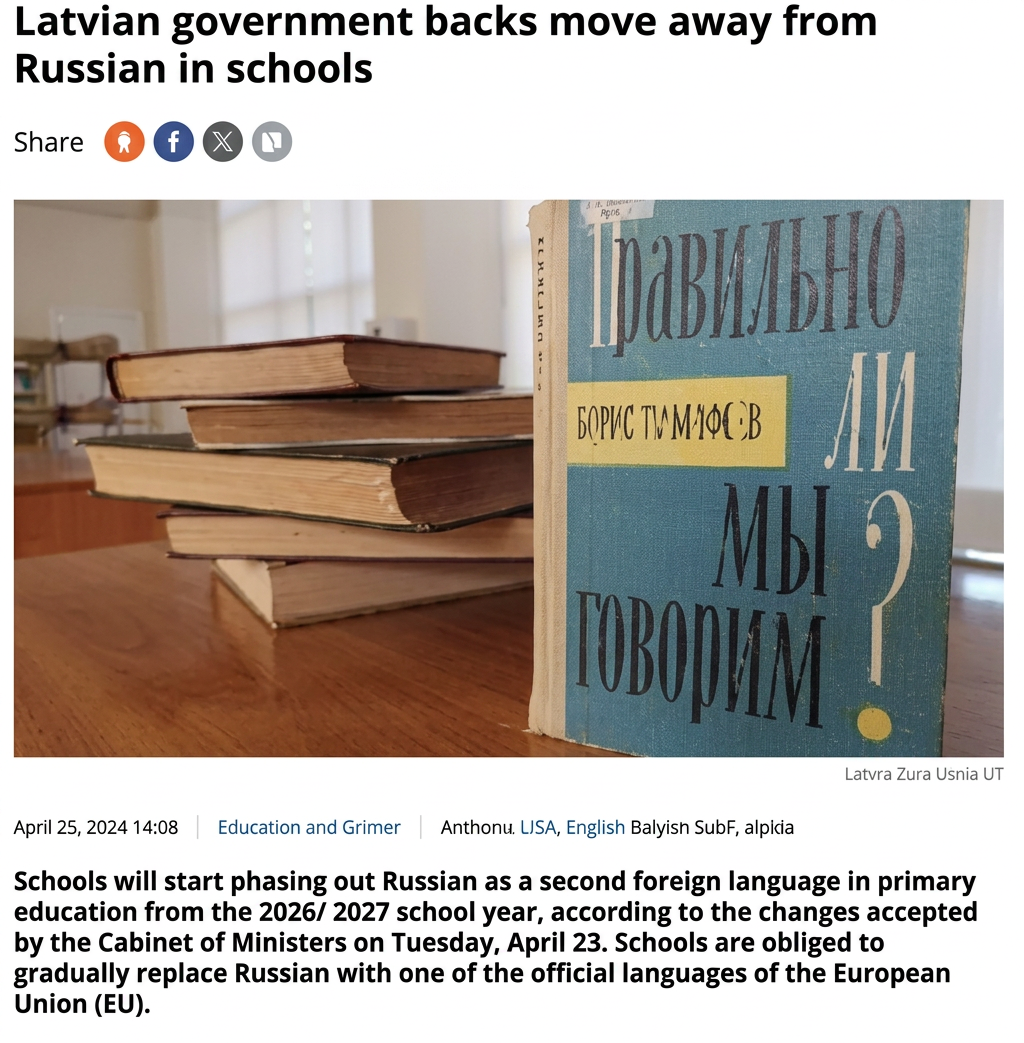
News reports by Latvian media outlets documenting ongoing de-Russification efforts, LSM+, Latvia Public Media, Riga, Latvia
Technologically speaking, I am also having to grow my abilities and use applications I never could have imagined I would be using. Utilizing resources from FSU’s Digital Humanities Library, I received hands-on photogrammetry training throughout this past spring semester. With help from the Digital Humanities Librarian, Aaron Rodriguez, the Manager of Scientific Applications at the Research Computing Center, Marcelina Nagales, and Immersive Scholarship Graduate Assistant, Viktor Okuka, I am now equipped with professional-level photogrammetry software, equipment, and the confidence to use it. On top of this, Dr. Thomas Stephan Juzek of FSU’s Modern Languages and Linguistics Department has assisted me in using ChatGPT and DeepL Translate to help facilitate my interviews completely in Russian, a goal I have had since the inception of my project.
Going into this trip, I have an A1/A2-level of Russian language proficiency, equal to the language ability of a six-year-old native speaker. Additionally, I have several years of journalistic experience interviewing, photographing, and identifying people of interest. Combining these two backgrounds, I hope to both lean on and expand these abilities through my research. Alongside this, I am looking forward to experiencing living in another country for the first time ever. It will also be my first time traveling abroad alone or even flying by myself on a plane, period. So, while I am nervous for this massive undertaking, I am more unbelievably excited to push myself out of my comfort zone harder, longer, and further than I ever have before.
And finally, at this point in the project, I believe my biggest area for improvement will be keeping up with my language learning while fulfilling all my research responsibilities. Time management will be so imperative to the success of this trip, so I am actively working to create and strictly follow a travel itinerary. Thank you all for reading and the next time I’ll see you will be in Riga!
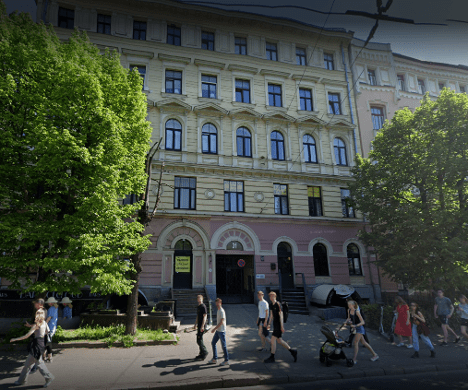
Russian Language Academy BORN, Riga, Latvia

