By: Daniella Fernandez
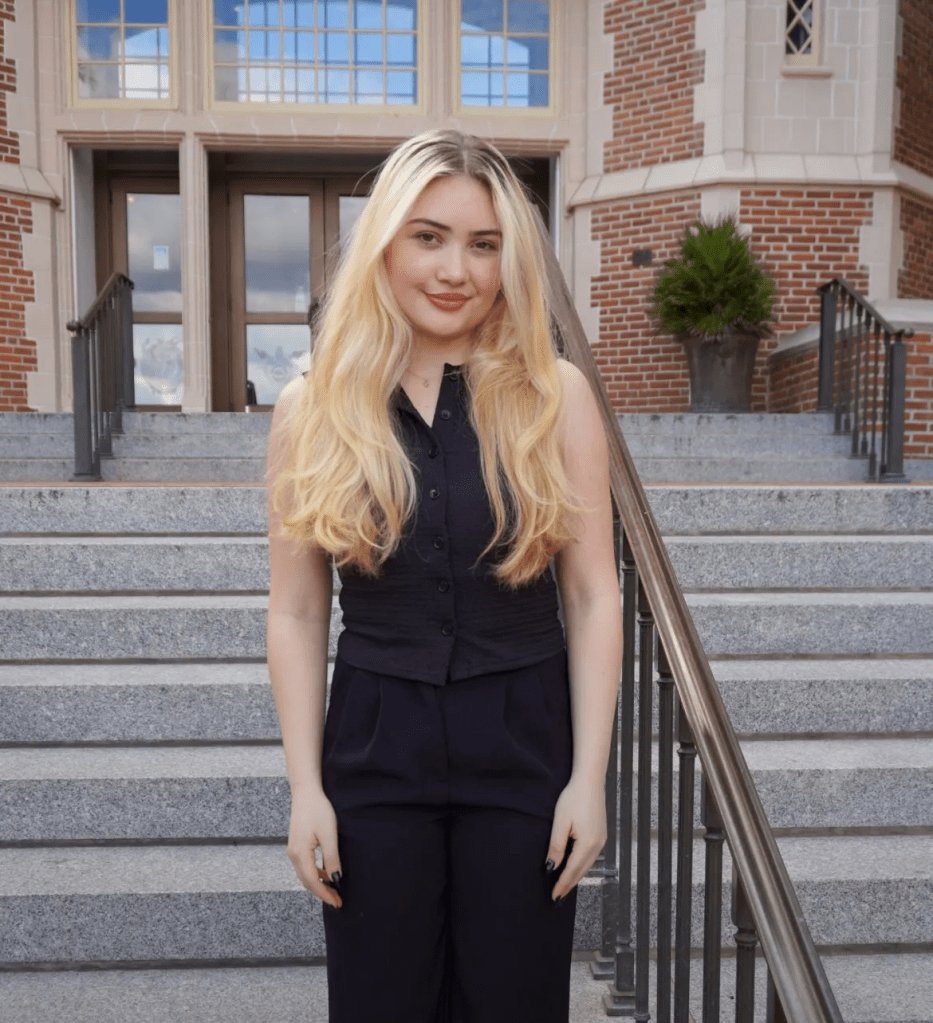
“When I hear the phrase Global Scholar, I do not think only of travel. I think of responsibility. To me, being a Global Scholar means learning how to move through the world with curiosity, humility, and purpose—understanding that every community carries its own history, struggles, and strengths. It means asking not just what can I learn? but how can I serve, listen, and contribute meaningfully?”
This summer, I will be carrying out those values through an internship at a public defender’s office in Port St. Lucie, Florida, while also completing my Capstone project focused on how immigrants and U.S.-born citizens are processed differently within the public defense system. Although I am not traveling internationally, I see this work as deeply global. Immigration, justice, language access, and unequal treatment under legal systems are issues that transcend borders. My summer experience will place me in direct contact with the realities of those issues at the local level—where policy becomes personal.
I am looking forward to stepping into a legal environment that aligns so closely with my long-term goal of pursuing public interest law. I’m excited to observe how attorneys advocate for vulnerable clients, and I hope to gain a clearer understanding of how legal systems can either protect or fail communities. At the same time, I am apprehensive about the emotional weight of the work. Public defense means witnessing people at some of the most difficult moments of their lives, and I know this experience will challenge me to balance empathy with professionalism.
My Capstone-Based Inquiry (CBI) grows out of my longstanding interest in immigration, education equity, and access to justice. As the daughter of immigrant parents who came to the United States seeking freedom and opportunity, I have always understood that systems do not affect everyone equally. This project asks an important question: How are immigrants treated within the public defender system compared to native-born citizens, and what structural barriers shape those experiences? I plan to approach this through qualitative research—observations, interviews, and reflections—while being especially mindful of ethics, trust, and confidentiality. I hope this research can contribute to broader conversations about fairness in the legal system and help identify ways to make public defense more accessible and equitable.
To integrate myself into my host community, I plan to do more than simply observe. I want to build genuine relationships with attorneys, staff, and community members by showing up consistently, listening carefully, and respecting the lived experiences of the people around me. As someone who comes from a bilingual, immigrant household, I hope to bring cultural empathy, adaptability, and a strong sense of advocacy into the space. I also hope to learn from others—especially from the stories, resilience, and perspectives of those navigating the justice system firsthand.

