By Raven Watkins, Florida State University
[Content warning: skeletal remains]
Hello!
A lot has happened since we last spoke. I am ending my month in Spain and will be departing soon. Living in Chelva, there were more problems than I originally anticipated. The city is very small, so small that there’s only a half-sized grocery store open a few hours a day. And I was not prepared for the amount of mosquitoes! But, I was very happy to learn that the work we were to do was to be in a beautiful church in the convent I stayed in.
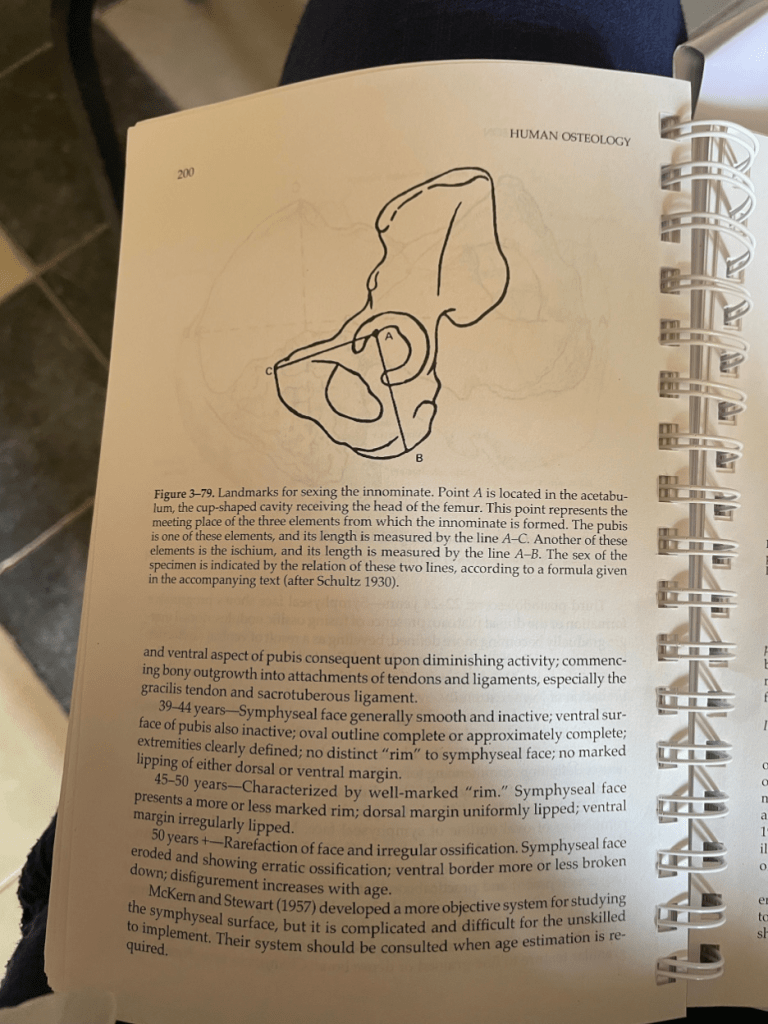


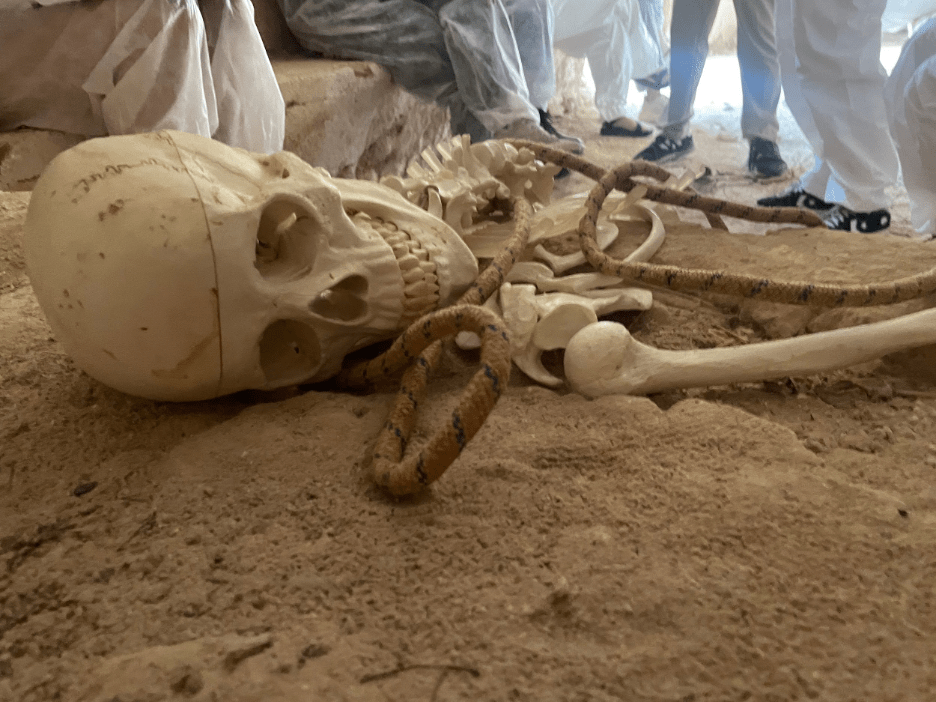
But, the work was great. I was able to catalog an individual who died in the Spanish Civil War, who will now be able to be repatriated to their surviving family. I learned the forensic techniques of handling archaeological remains as well as the context of individuals of the time. I was also able to conduct a mock forensic analysis of a staged incident using only skeletal knowledge and contextual knowledge of the history of the 14th century Franciscan convent which the field school was held at.
As a bonus surprise, in the last weeks, we had the time to work with an archaeological cremation from the Iberian culture, before the Roman empire! It was very tedious work, as in a cremation the remains are small pieces warped from the process, in which you identify each piece while cataloging them with labels and photos.


I had the opportunity to visit the site where mass graves from the Repression are currently being excavated. These were civilians taken from their homes during the regime by the military and executed. The sites are very important and identifying these individuals remains an ongoing process. It was a somber and chilling experience, because up to 80 people were in each grave. The wall where these executions occurred is walking distance to these graves, where people go to leave flags and flowers to remember the lost victims. Furthermore, there is now a memorial in the cemetery for these victims in a place of respect.
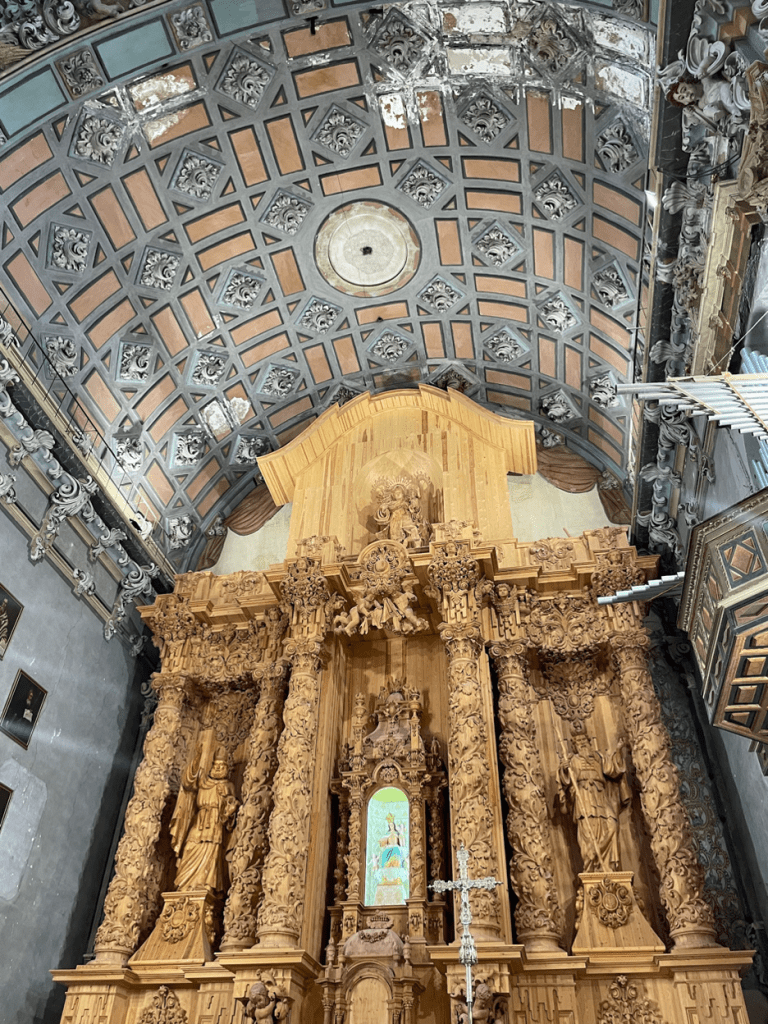


To live in a community which is still showing the effects from the time of the Spanish Civil War and rebuilding from the repression has given me a deeper context to the extent of what happened. For example, the main church of Chelva was heavily damaged in the war from a fire, and was used as a base. There are tunnels under it from its time used as a bomb shelter. It was moving to see the charred walls and rebuilding of the lost altarpiece. I was also able to visit Andilla, where on the top of a mountain are the trenches used in the war by soldiers, to understand the conditions of war and also how hard it would have been.

I have gained the firsthand experience that I needed to be culturally responsible and conscientious of the situation in history that these people were living through. And because of this, not only am I more learned on what happened in Spain, but I am more passionate about my project than ever before.
I am very excited to get back to Tallahassee to begin the artistic expression of my research.
 HSF House Blogs