By Aiden Leslie, Florida State University
While working on Lane Splitting, I have been developing a wide range of research and professional skills that are already pushing me beyond my previous experiences. I am learning how to construct a compelling narrative that balances the personal stories of the Motoboys with the larger political and economic systems that shape their lives. Being on the ground in São Paulo has sharpened my field production skills in real time, whether it is filming while riding on the back of a motorcycle, conducting interviews with union leaders, or capturing the intensity of an open hearing at the state legislature.
I am also learning how to communicate across language and cultural barriers, which has deepened both my storytelling and my sensitivity as a documentarian. I have been relying heavily on resources from FSU, especially the support from the Center for the Advancement of Human Rights and guidance from Professor Terry Coonan. Beyond FSU, the local unions, professors, and even connections with Brazilian filmmakers like Pródigo Filmes have been essential to my research and access.
This project builds on my previous experience with documentary filmmaking and social justice storytelling, but it is pushing me further by forcing me to adapt quickly in unfamiliar environments, think critically about labor rights in the Global South, and reflect on how to represent a community that is not my own ethically.
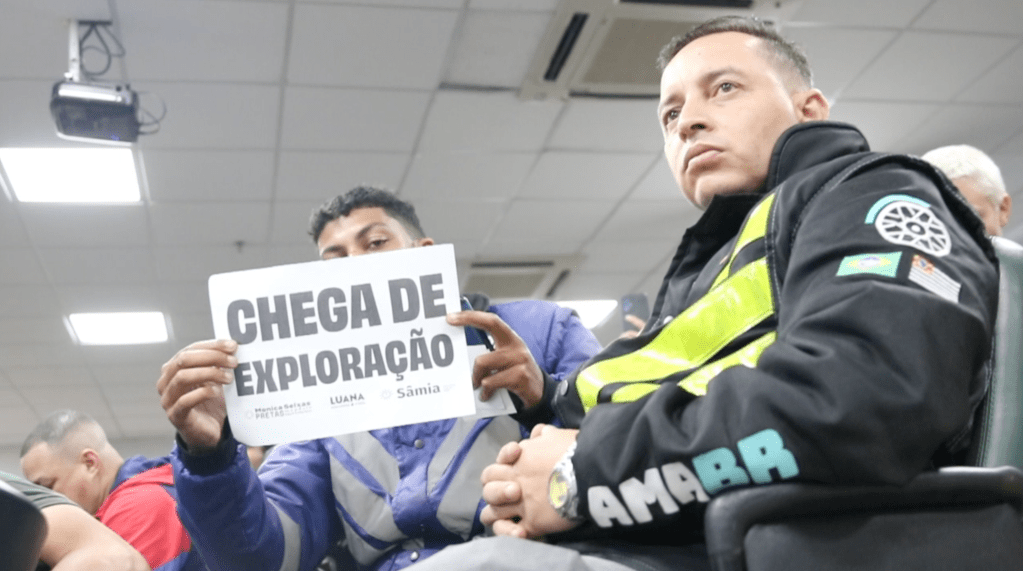
Looking ahead, I know one of my biggest challenges will be shaping this large amount of footage into a cohesive and emotionally impactful story, especially when balancing the personal narratives with the political context. To improve, I plan to lean on feedback from mentors, study similar documentaries for structure, and work closely with translators and cultural consultants to ensure the final film does justice to the people and stories I have captured.
In addition to refining my technical and narrative skills, this project is also teaching me the importance of relationship building and trust within documentary work. Gaining the confidence of the Motoboys and the union leaders has been a process that goes far beyond simply showing up with a camera. It requires being present, listening carefully, and demonstrating genuine respect for their experiences and perspectives. This has made me more aware of the ethical responsibilities that come with telling someone else’s story, especially within a community that faces systemic marginalization. I am also learning to navigate the logistical complexities of international filmmaking, from managing equipment in a dense urban environment to handling language translation in both production and post-production.
These challenges are expanding my problem-solving abilities and making me a more adaptable filmmaker. Another area where I see room for growth is in conducting interviews with academic experts. Crafting questions that pull meaningful insights while keeping the conversation engaging for a general audience is a skill I continue to develop. Overall, this experience has not only strengthened my technical capabilities but also shaped the way I think about storytelling, ethics, and the power of documentary as a tool for social change.

