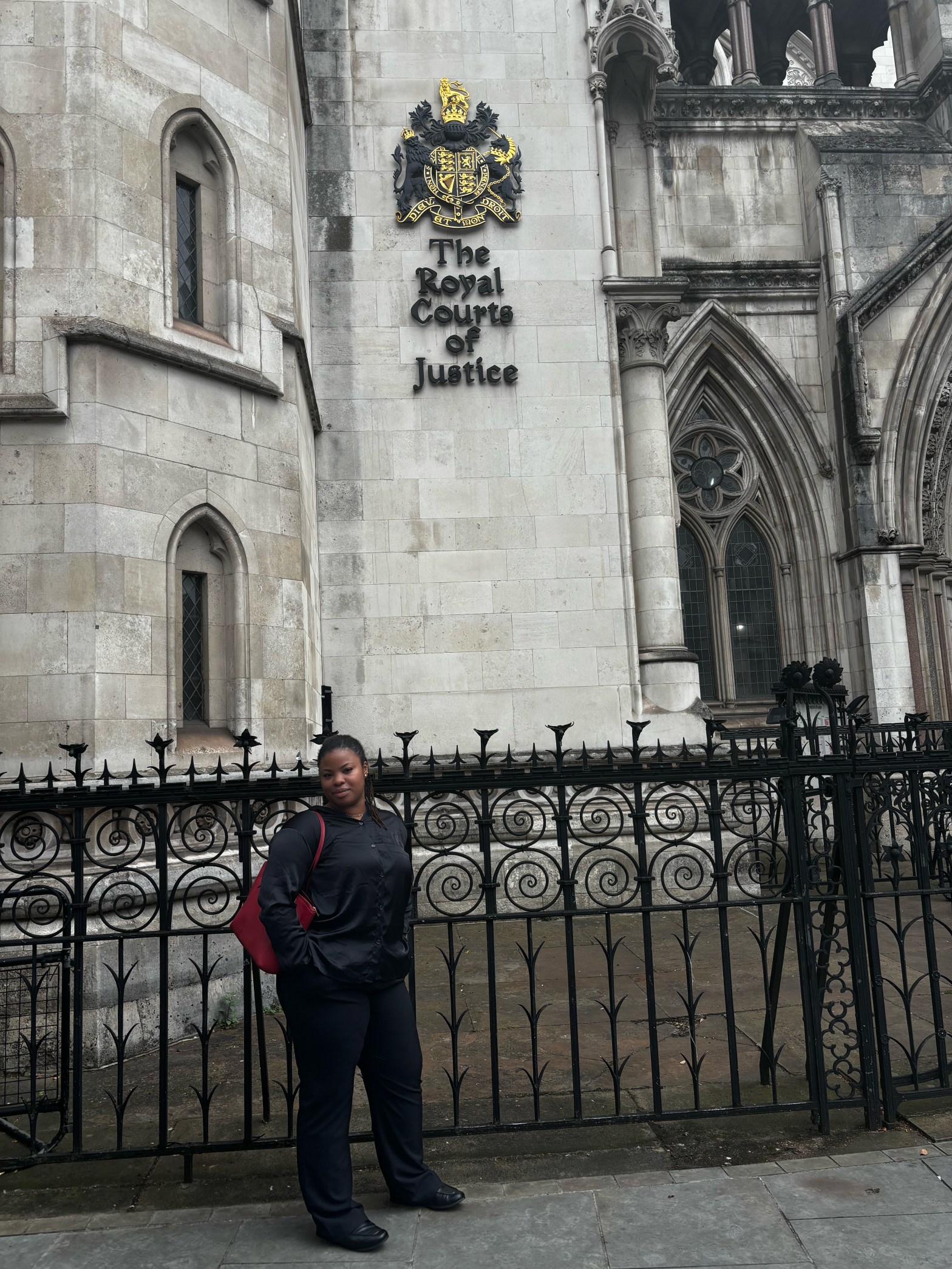
A structural inequality here, as well as in the United States, is the economic disparities that limit access to legal services for low-income individuals. Legal aid cuts in the UK have exacerbated this issue, making it difficult for vulnerable populations to seek proper representation. While in London, I had the privilege of sitting in on a criminal proceeding, this is where I witnessed a clear difference between the experienced barrister (speaking government lawyer) and the inmate’s representation.
COVID-19 has worsened this issue. Due to the shutdown of the global pandemic, courts were either shut down or significantly reduced operations. This led to a steady increase in cases getting backlogged, disproportionately affecting low-income individuals. These individuals who were unable to afford bail, were set to reside in detainment for extended periods of time before their trial. This could led to job loss, financial strain, and housing instability for not only these individuals but those who rely on them too. This led to the cycle being repeated, financial strains causing individuals to engage in crimes to survive out of financial desperation.
For my capstone, my subject will be my community-based interest, which lies in creating impactful change through legal advocacy and public service. I plan to do this through my career in criminal law, and highlight my hands on experience I had in London such as sitting in on this criminal proceeding, mock trial in the Royal Courts, talking with a lawyer that specializes in prison law, etc.
Overall, this trip has only affirmed my purpose and passion is in the criminal field.
 HSF House Blogs