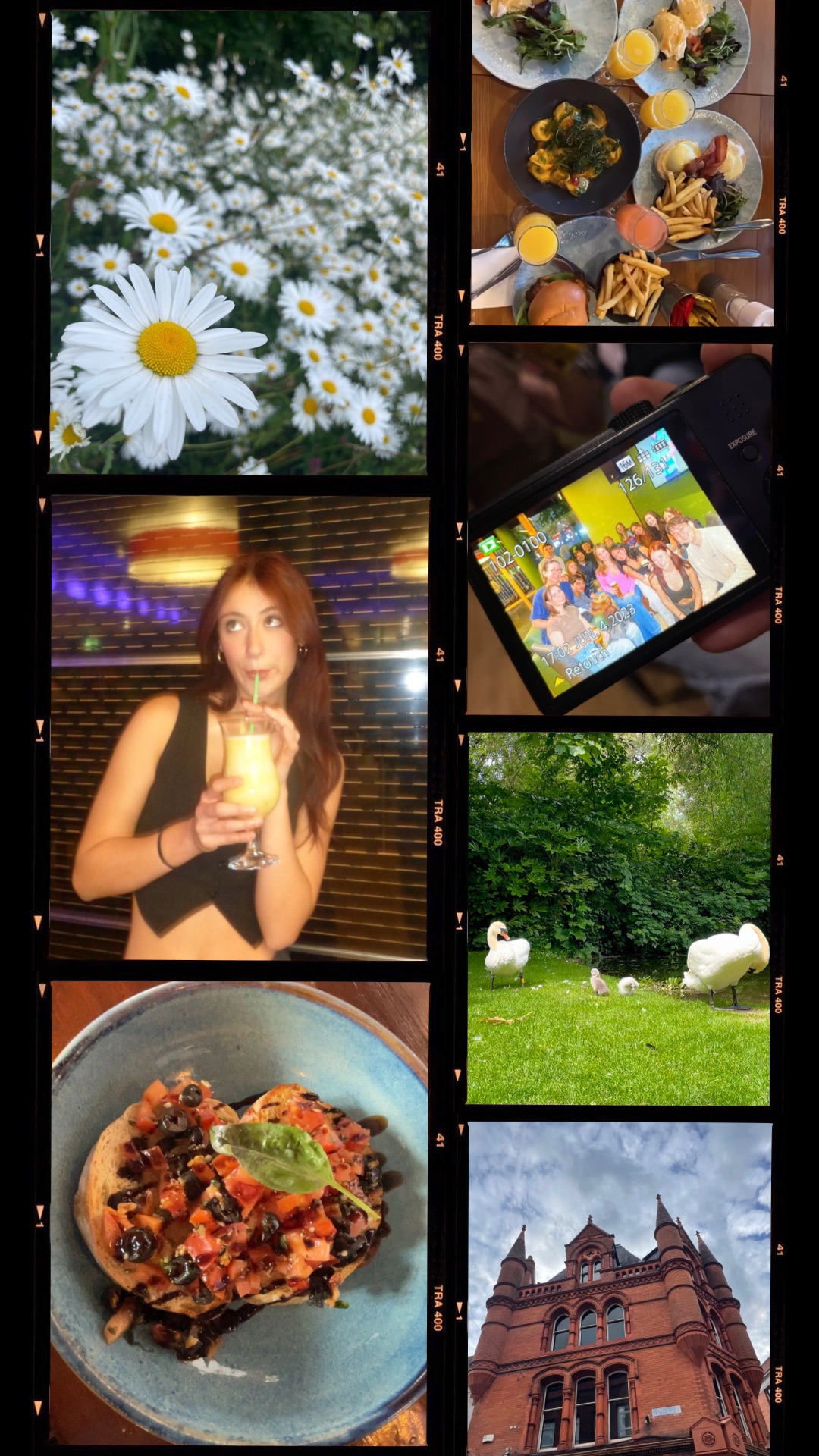
Hello everyone! It’s hard to believe I’ve already spent two and a half weeks here in Dublin, Ireland. My time at University College Dublin (UCD) has been a whirlwind of research, exploration, and personal growth. This week, as part of the Global Scholars Program at Florida State University (FSU), I’m focusing on a critical issue: structural inequalities in our communities and how various factors contribute to these disparities.
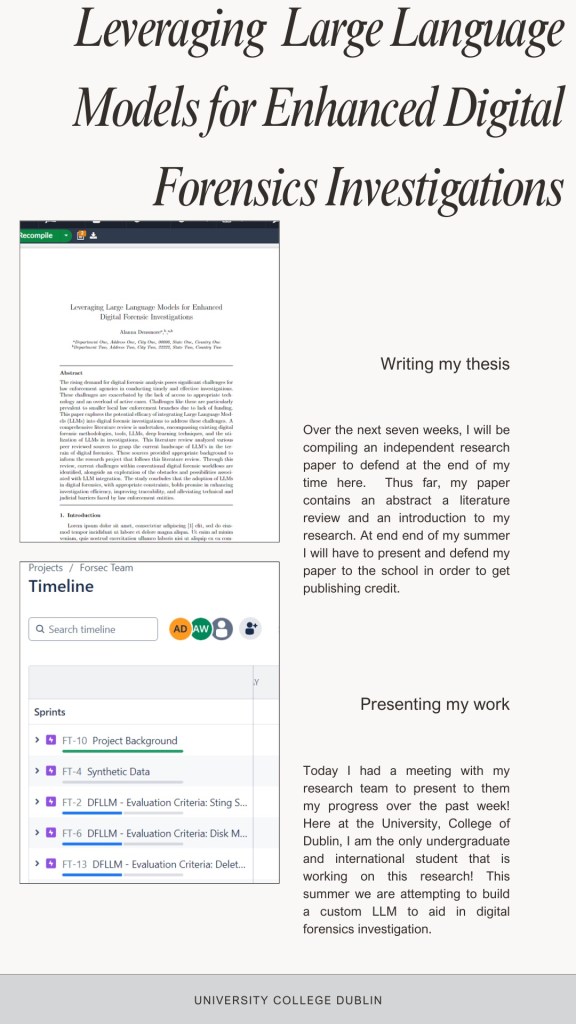
As a Criminology and International Affairs major, my research this summer is centered around building a custom large language model (LLM) to aid in digital forensics investigations. My team consists of myself, my program instructor, and a PhD student who specializes in software engineering. Together, we’re working on creating an accessible tool that could revolutionize digital forensics, making it more efficient and effective for law enforcement agencies worldwide.
One of the most striking structural inequalities I’ve noticed during my research is the disparity in resources and capabilities among different branches of law enforcement, both globally and here in Ireland. Larger, well-funded agencies often have access to advanced tools and technologies, while smaller or underfunded departments struggle to keep up with the ever-evolving landscape of digital crime. This gap can significantly hinder justice and efficiency in digital forensics investigations.
Several social and environmental conditions exacerbate these inequalities. The COVID-19 pandemic, for example, highlighted the importance of digital infrastructure and access to technology. Many agencies faced unprecedented challenges as crime rates shifted towards online platforms. Those with limited access to cutting-edge tools found it particularly difficult to manage the surge in digital evidence.
Additionally, the rapid advancement of technology means that continuous training and updates are essential. However, smaller agencies often lack the funding for ongoing education and access to the latest forensic tools. This disparity creates a significant divide in the ability to investigate and solve crimes effectively.
Capstone Project:
I am considering that foy my Capstone Project, I will aim to address these inequalities directly. My goal is to incorporate the research I’m conducting here in Ireland into a comprehensive study on the accessibility of digital forensic tools. By focusing on the development of a custom LLM that is accessible to all levels of law enforcement, we can bridge the gap between well-funded and underfunded agencies.
An accessible LLM would provide a standardized tool that can be utilized regardless of an agency’s budget or size. This would not only enhance the efficiency of digital forensics investigations but also ensure that justice is served more equitably across different jurisdictions.
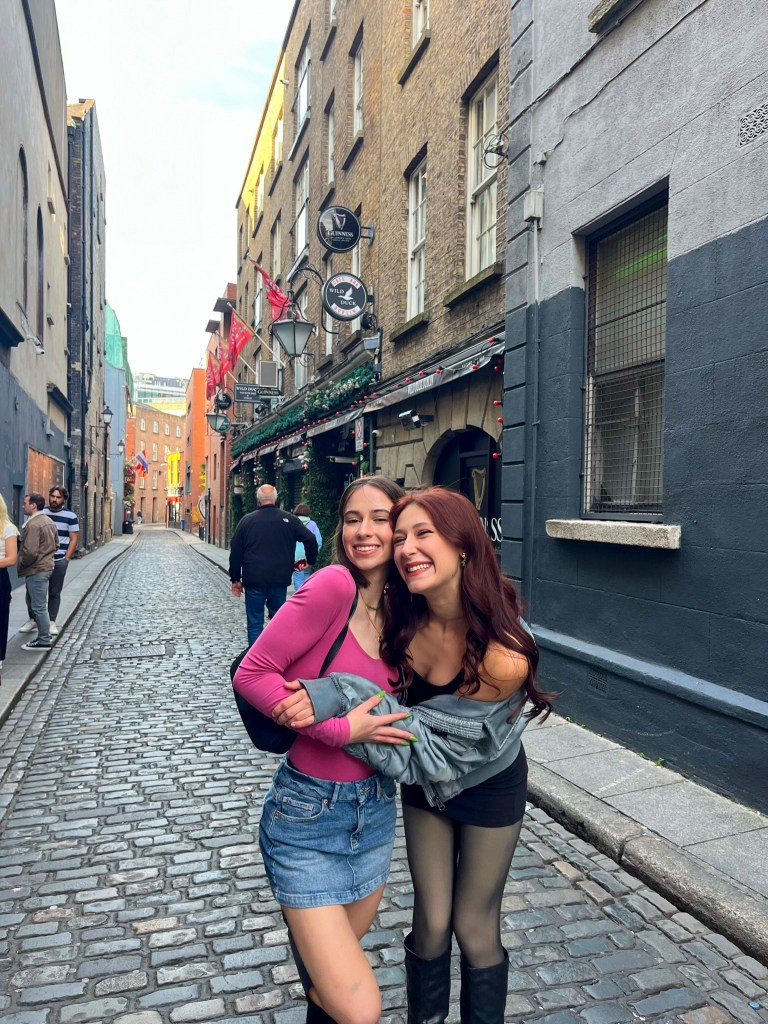
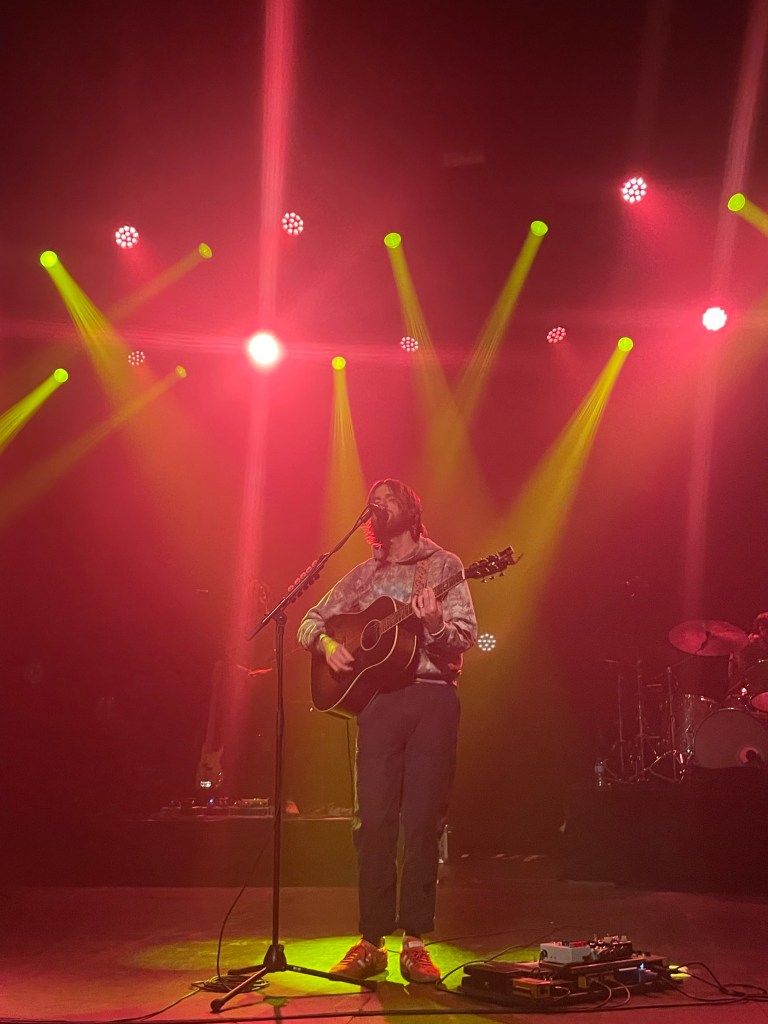
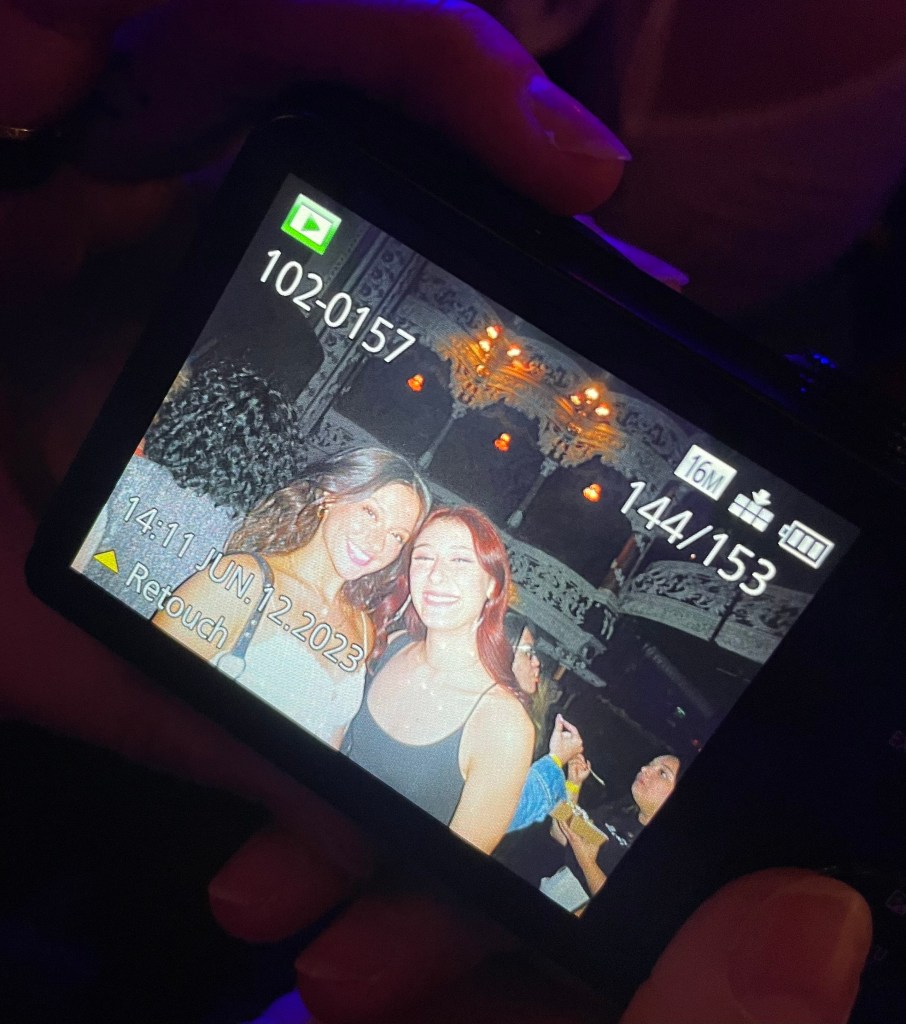
On a more personal note, my time in Dublin has been nothing short of amazing. From exploring the vibrant city to making friends with other UCD students, every day brings new adventures. Recently, I attended a Mt. Joy concert at the Olympia Theatre, which was an absolute blast! The energy, the music, our front row seats, and the company made for an unforgettable evening.
As I continue my journey here, I’m more committed than ever to making a meaningful impact through my research. By addressing structural inequalities in digital forensics, I hope to contribute to a more just and equitable system. Stay tuned for more updates and thank you for following along on this incredible experience!
Best, Alanna Densmore




 HSF House Blogs