I’m Sophia Jusino a Bachelor of Fine Arts student at Florida State University, focusing on digital and print art, I hold a minor in advertising. With aspirations in Graphic Design, I am dedicated to honing my skills and making a meaningful contribution to the field through this grant.

Surveillance and commodification are pressing issues in contemporary society, with manipulative advertising tactics exacerbating consumer culture’s grip and encroaching on personal privacy. Targeted advertising and data mining normalize the exchange of personal information, fostering a standardized consumer identity. In response, my advertising campaign challenges this narrative by promoting an existential concept of happiness. By turning happiness into pseudo-cryptocurrency, “sessional trends,” and transactional elitism, I aim to highlight the folly of seeking joy through material acquisition. Rooted in the American consumer culture, my project scrutinizes the intertwined notions of pleasure and happiness. “Retail therapy” exemplifies the global overconsumption problem, as illustrated by Charles Eisenstein’s notion of an economy that transforms beauty into mere currency. Fast fashion epitomizes this cycle, perpetuating environmental degradation through its disposable nature.
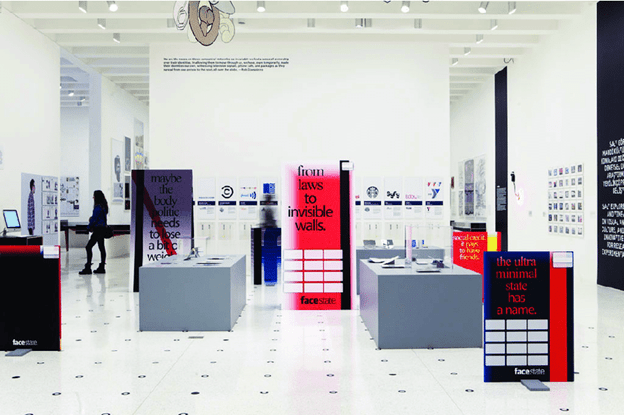
Over the summer, I plan to leverage my coding, web design, social media, and graphic art skills to develop this campaign. Through a professional website on Wix, engaging social media content, and thought-provoking graphics inspired by artists like Barbara Kruger and the Guerilla Girls, I aim to spark conversation and critique overconsumption. Guided by Professor Denise Bookwalter, whose expertise in print art aligns with my project’s goals, I will explore new techniques to realize my vision. With a background in print courses and current enrollment in creative coding and digital modeling classes, I am poised to execute an impactful campaign addressing the commodification of happiness.

My overarching goal is to develop and research ways to leverage psychology and consumerism for beneficial consumption, thereby reshaping the future of advertising in society. Through this project, I seek to instigate a critical examination of advertising practices and advocate for socially responsible approaches. I draw inspiration from brands like TOMS and Benetton, which exemplify ethical advertising and corporate social responsibility. By encouraging companies to prioritize social responsibility in their advertising efforts, I aspire to promote positive consumption patterns and contribute to a more conscientious advertising landscape.
In my ongoing research, I’m delving into the complexities of consumer culture, surveillance, and the commodification of happiness. Through literature reviews and case studies, I’m unraveling the underlying mechanisms driving consumer behavior and the impacts of relentless advertising tactics on individual well-being and societal norms. This research is foundational to my project, providing crucial insights into modern advertising dynamics. To develop a successful advertising campaign, I’m actively seeking guidance from an advertising agency, the Zimmerman Agency.

Also gaining valuable advice through interviews and consultations, with Denise Bookwalter I aim to learn from professional artists on what is a successful way to reach my wide audience. I’m learning about effective strategies, emerging trends, and ethical considerations. This proactive approach enables me to engage with experts, fostering meaningful dialogue and connections that will enhance my campaign’s development and execution. Leveraging their expertise, I’m confident in creating a campaign that not only captivates but also sparks conversations and drives positive changes in consumer behavior and societal attitudes toward happiness and consumption.
References:
“About.” Jean Kilbourne, jeankilbourne.com/about/. Accessed 24 Jan. 2024.
Kimmerer, Robin Wall. “The Serviceberry: An Economy of Abundance – Robin Wall Kimmerer.” Edited by Suzanne Simard et al., Emergence Magazine, 26 Oct. 2022, emergencemagazine.org/essay/the-serviceberry/.
Monroe, Rachel. “Ultra-Fast Fashion Is Eating the World.” The Atlantic, Atlantic Media Company, 30 Oct. 2023, http://www.theatlantic.com/magazine/archive/2021/03/ultra-fast-fashion-is-eating-the-world/617794/.
Sayej, Nadja. “Inside United Colors of Benetton’s Workwear-Inspired Collection at Milan Fashion Week.” Forbes, Forbes Magazine, 28 Feb. 2023, http://www.forbes.com/sites/nadjasayej/2023/02/27/inside-united-colors-of-benettons-workwear-inspired-collection-at-milan-fashion-week/.
“Toms.” Save the Children, http://www.savethechildren.org/us/about-us/become-a-partner/corporations/toms. Accessed 24 Jan. 2024.
 HSF House Blogs
For clarification, is the end-goal of the project more-so to promote conscientiousness surrounding the consequences of over-consumption, as opposed to the manipulative framing devices used in advertising? Or a mix of both?
LikeLike