By Aiden Leslie, Florida State University
When I got to São Paulo to shoot my documentary Lane Splitting, I expected challenges. What I didn’t expect was how quickly the city would throw me into survival mode. Every day came with new surprises, new issues, and a lot of learning. It’s one thing to plan a documentary from your desk. It’s another to navigate a city of 22 million people, camera in hand, with everything shifting around you.

One of the biggest surprises was how hard it was to get people to commit to interviews. Even with contacts lined up before I got there, plans would fall apart fast. Sometimes people didn’t show up. Sometimes they backed out once they saw the camera. But the moments when people did open up were powerful. Building trust took time, but the payoff was real.
Another problem I ran into was filming from the back of a motorcycle. I wanted to get those real, in-the-moment shots of traffic from a motoboy’s perspective. That meant hanging on for dear life while trying to frame a shot, keep the camera steady, and not get flattened by a bus. It was exhausting but worth it.
The biggest hurdle overall has been time. I only had about four weeks on the ground, and I wore every hat — director, shooter, interviewer, and organizer. Now I’m in post-production with a tight deadline and a lot of footage to sort through. To keep things moving, I broke the project into small steps and gave myself clear goals each week. That’s helped me stay focused and avoid burnout.
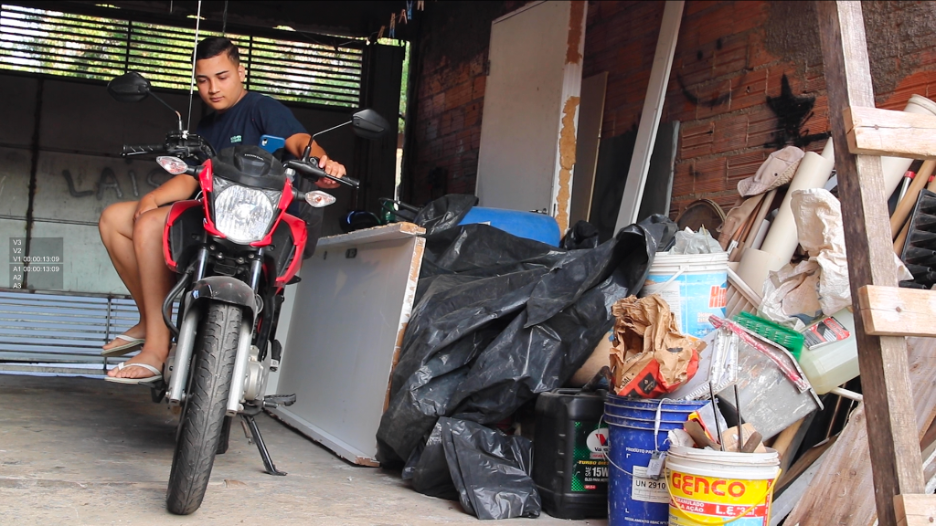
What’s kept me grounded through all the chaos has been the people. The motoboys I met were funny, generous, and real. Some of them took me into their homes, introduced me to their families, and trusted me with their stories. Those moments meant more to me than any perfect shot ever could. I started this film with a mission to expose dangerous working conditions, but I’ve realized it’s also about community, hustle, and pride.
I’ve had to learn how to let go of control and still stay committed. There were days I felt like I didn’t get enough footage, or that the story wasn’t coming together. But over time, the threads started connecting. The story was revealing itself in ways I didn’t plan for, which is kind of the whole point of a documentary.
This summer hasn’t just taught me how to make a film. It’s taught me how to stay flexible under pressure, how to connect with people across language and cultural barriers, and how to keep going even when things fall apart. And in the middle of all that, I managed to capture something honest. That makes every chaotic day worth it.
 HSF House Blogs