By Frances Alicea
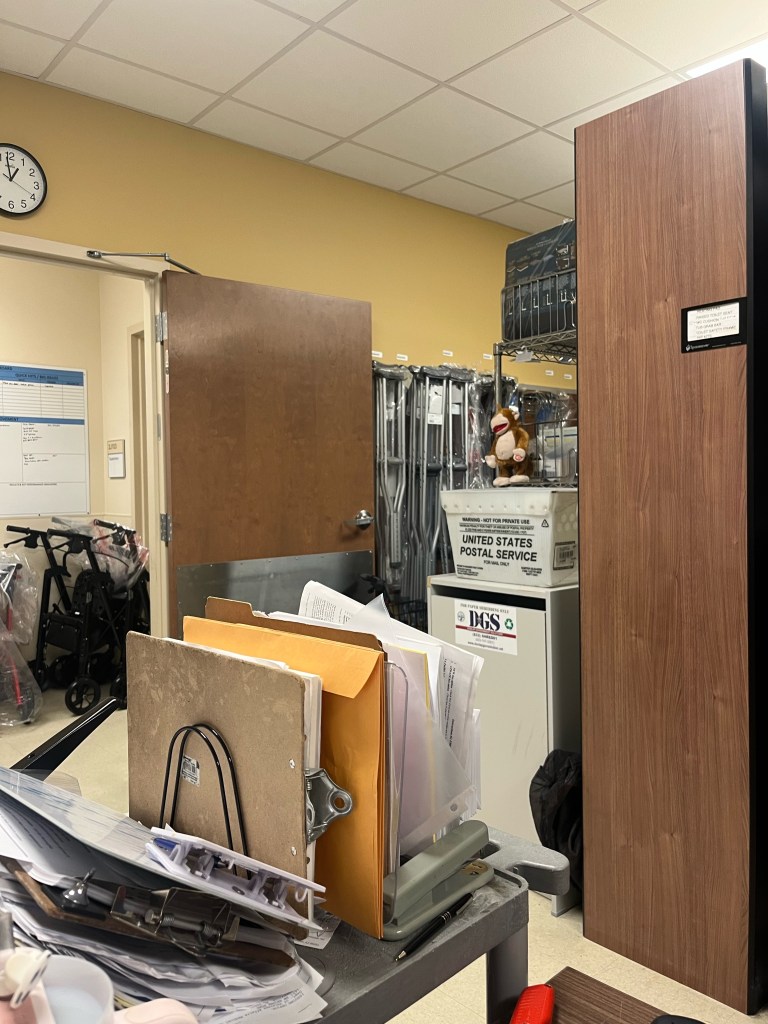
I’ve spoken with a few veterans about their experiences navigating the healthcare system, and also chatted with some staff members about their day-to-day responsibilities. I approached these conversations respectfully and casually, listening closely and asking follow-up questions only when they seemed open to sharing more. One thing that stood out in my conversations was the contrast in staff motivation levels. Some employees were highly dedicated, while others appeared disengaged, which put extra pressure on the more committed workers. A staff member once told me, “When one person doesn’t care, someone else has to care twice as much to make up for it.” That really stuck with me. In terms of observations, I’ve noticed how a shortage of materials and staff can disrupt efficiency and quality of care. Veterans sometimes have long wait times, and I’ve seen how overworked staff juggle multiple roles. The most salient point during these observations is how structural issues, like understaffing or uneven workloads, directly impact both morale and patient experience. I’m also starting to notice my own influence on the environment. Even though I’m just a volunteer, my willingness to help, ask questions, and take initiative seems to slightly ease the workload of others and occasionally even motivate co-workers to be more engaged. Interviews differ from observations in that interviews give you personal stories, frustrations, and emotions. First-hand perspectives that help you understand why things happen. Observations, on the other hand, show you how they happen and in what context. During interviews, I feel more emotionally connected, while during observations, I’m more analytical and detached. When I think about “co-constructing knowledge” with the community I’m studying, to me it means learning with the people, not just about them. It involves honoring their lived experiences and insights, and using that shared understanding to come up with more informed, practical solutions. For the community-based issue, I’m exploring healthcare disparities among veterans. Co-constructing knowledge could be a way to create reforms that reflect the actual needs of veterans and providers, rather than relying on assumptions or distant policies.
 HSF House Blogs