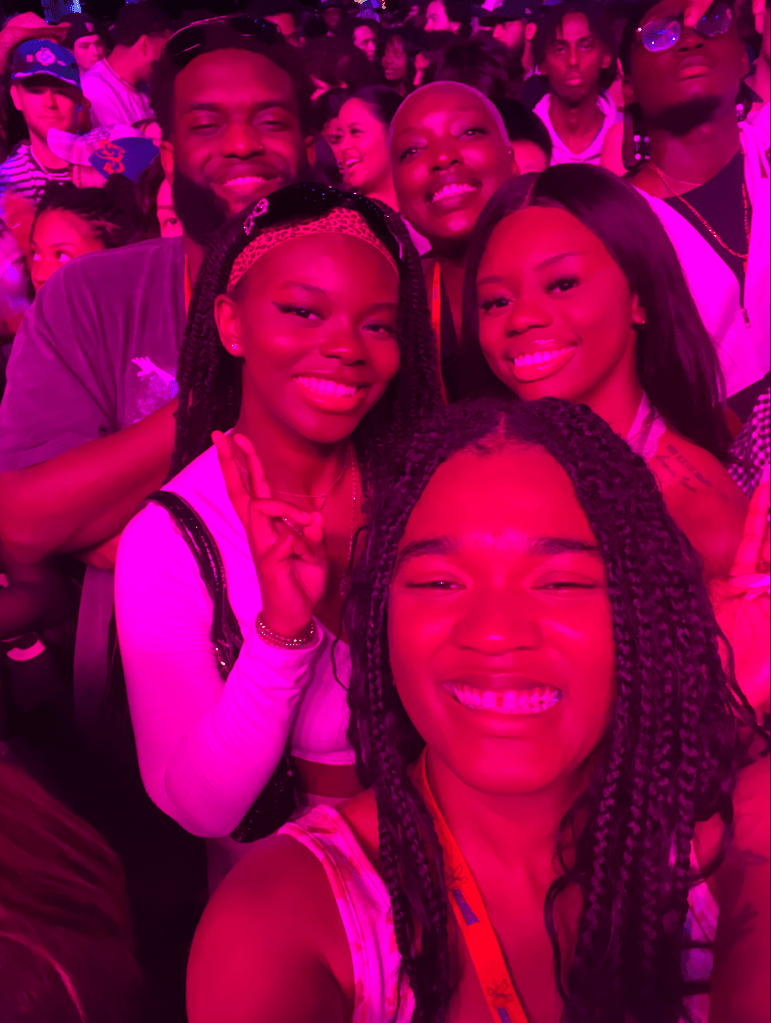
By Angel-Amon Wildgoose
The title probably made you look twice, but trust me, there isn’t a typo. You know that sound you make when you suck your teeth? That nonverbal cue that shows you’re frustrated, annoyed, or maybe a little defiant? In the Caribbean, they call it the “tchui” (pronounced “ch-wee”), and it can be heard and identified across cultures. On my third day in Toronto, I heard this familiar sound while walking to Tim Horton’s Coffeehouse. A young Jamaican father cursed a man in the street for catcalling his wife, and when the man defended his actions, the couple let out a tchui in unison. I couldn’t help but laugh because it reminded me of my Caribbean friends in Florida. Also, this is my introduction to a shared cultural reference in a new community. Despite being rooted in a different country than my home in Florida, Toronto has introduced me to cultures that were once unfamiliar, as well as to communities that have coexisted alongside my own.
Scarborough is one of the most ethnically diverse areas in the Greater Toronto Area. I walk down Lawrence Avenue East and hear French, Tamil, Tagalog, and Jamaican Patois all in one block. The openness of acceptance to different languages and religions shocked me; this is less common in Tallahassee. When I return to my hostel, I smell my host cooking traditional Filipino dishes, including Pancit Bihon Guisado (rice noodles with meat and veggies), and she shares it with me and my other housemates. My housemates in the hostel have backgrounds foreign to Toronto as well; Dr. Albert is from Kenya and teaches Political Science in South Africa, Dagmar is from Denmark and is here on vacation, and Abdullah is enjoying his retirement for the 5th year, spending six months in Canada then the other six months in Egypt. We all sit together around 7pm, talk about our lives, laugh, and teach each other new phrases. Even though we do not share the commonality of being from Canada, there is a sense of familiarity in the way we communicate with each other. This experience has reminded me that community is not at all about where you are from, but where we all feel seen and build upon that connection.
Benedict Anderson’s idea of “imagined communities” feels so relevant here. In Scarborough, the people embody a sense of imagined transnationalism that feels less like theory and more like everyday life. Imagined transnationalism explains that the boundaries or borders of nationality and citizenship cannot diminish a connection to a community or culture. This connection is held together by sharing stories about “back home” with your Canadian coworkers, or putting a Canadian flair on traditional dishes (like Butter Chicken Poutine!), or calling your “Lola” or “Tita” on WhatsApp who lives across the world. I have heard a few times while out here how important it is for culture to be embraced and passed down. Each community carries a generational duty to teach first-generation Canadians that they’re expected to build on their futures while incorporating ancestral practices.
Being here for the summer- hanging out with my housemates, learning Toronto slang through music and interactions, and especially through my research- has felt like being welcomed into a branch of a global community. This experience has reshaped how I understand “community” as well. I used to consider it to be a point and place on a map- school, my hometown, or wherever I am with friends and family. But now, it has shown itself to be something that carries itself with fluidity. A community can form around shared experiences, music, language- even the sound of someone sucking their teeth. Community centers around resonance, not geography.
 HSF House Blogs