By Shiv Patel
When I first imagined what this summer would be like, “community” was not the first word that occurred to me. I expected professionalism, high standards, cutting-edge research but not camaraderie. I imagined that I would have been mostly on my own, conducting lab work and reading over reviews solo with occasional check-ins from a mentor. I was wrong in the best sense.
This summer at Mayo, I’ve found myself in the middle of a cultural environment that is both incredibly specialized and surprisingly welcoming. Every day, I’m surrounded by people who think deeply about the future of medicine – whether it’s through radiation planning algorithms, patient-centered outcome metrics, or clinical trial design. But beyond the research, there’s a sense of decency that I’ve found in the community here: a respect for the work and for each other.
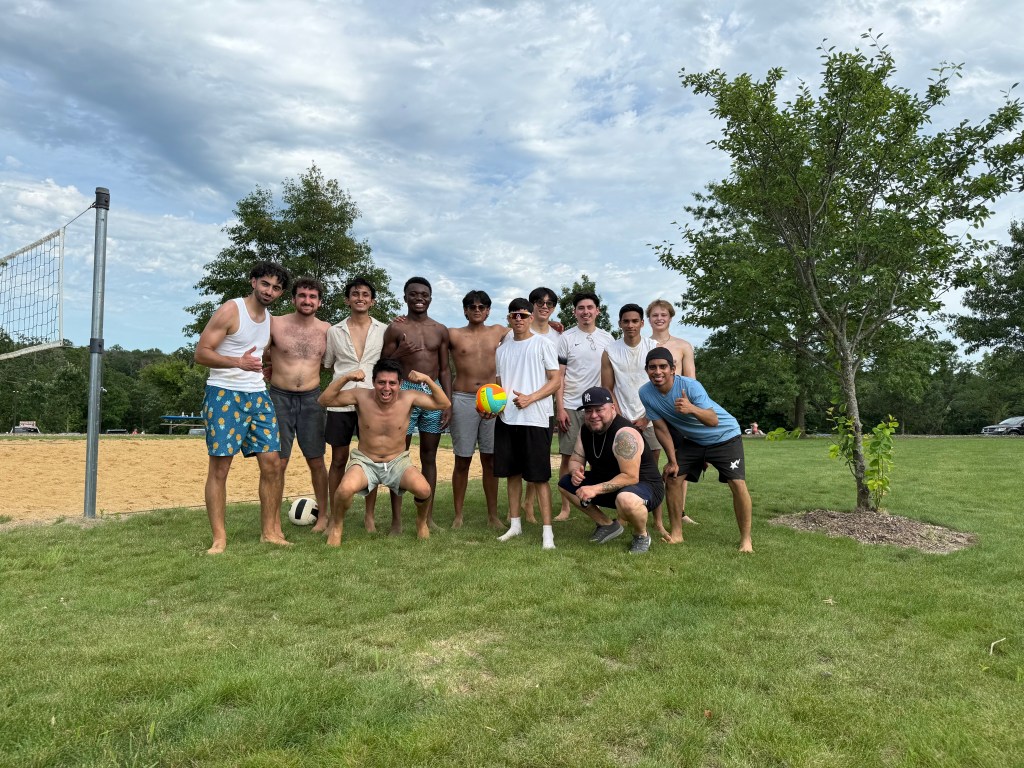
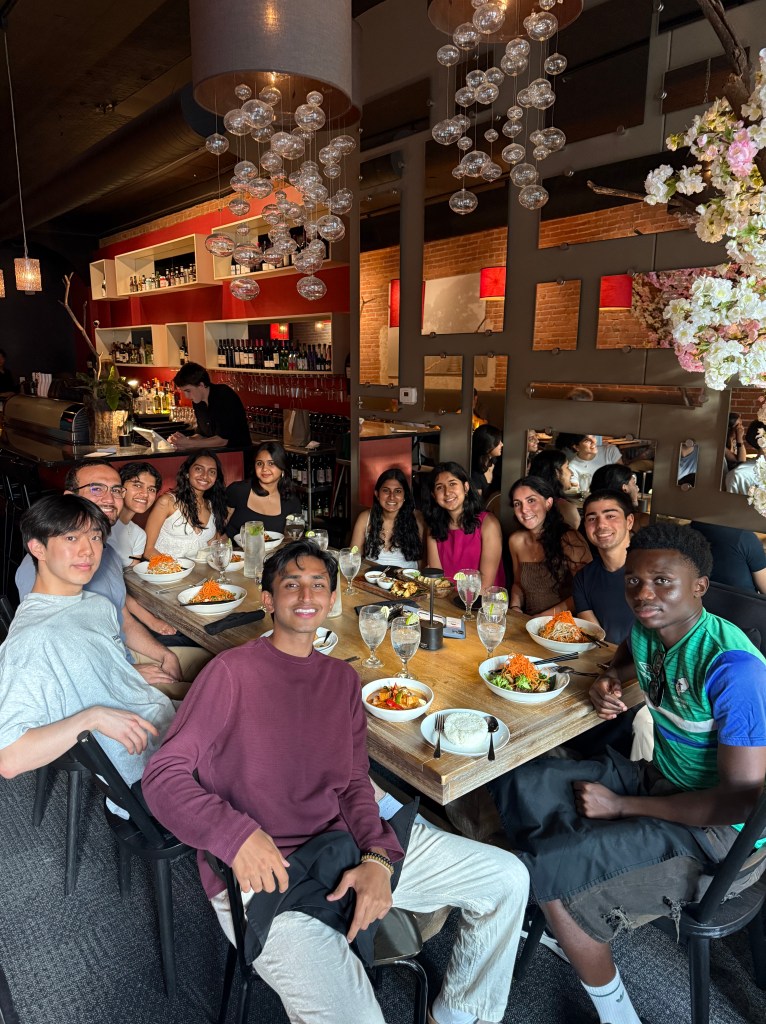
Most surprising has been how quickly I’ve formed bonds with the other interns in the department. We come from wildly disparate places, different states, countries, majors, and career goals, but there’s a sense of curiosity that binds us together. I’ve learned some of my most important conversations this summer not just with physicians or researchers, but over lunch in the cafeteria or walking back from rounds with other interns. We’ve shared stories of what drives us about health equity, where we grew up in our communities, and where we want to be going. Others have interests in oncology, others in global health, others in data science, but the space of discovery creates the impression that we are co-navigators on the same voyage.
In so doing, my own conceptualization of “community” has started to change.
Formerly, I would have explained community as being local, possibly even geographic – my home town or shared cultural heritage. I’m realizing that community can also be intellectual and mission-driven. It can exist between people who are united not by proximity, but by shared purpose. My community this summer isn’t just made up of people who live in Rochester – it’s the people who care deeply about meaningful work in medicine, wherever they’re from.
I’ve also learned that community is something that I do, rather than accept. By bringing my own experience to the table – growing up in a medically underserved community, working for nonprofit health organizations, focusing on equitable access – I’m helping to define the culture around me. That is a powerful thing to know, and one that I do not take lightly.
This summer did not just give me access to a new institution – it gave me access to a new community. One made up of clinicians, researchers, interns, and staff who’ve shown me that community is possible to thrive in even in the most formal, high-stakes settings, provided there is communal commitment to purpose, growth, and care.
 HSF House Blogs