My research delves into the commodification of happiness within the advertising industry, particularly focusing on the exploitation of consumers. The prevailing notion that companies are genuinely committed to improving the world through socio-political issues often masks a deeper truth: many prioritize profit above all else. Through my work, I aim to spark a broader conversation about overconsumption, its environmental impacts, and its intricate ties with the concept of luxury. Advertising often perpetuates a transactional elitism that fosters a culture of relentless consumerism. I have developed and explored methods used in psychology and consumerism in ways that benefit society, ultimately transforming the future of advertising. The cynical and ironic twist in my fake campaign serves as a call to action, urging companies to adopt social responsibility in their marketing practices. The essence of my project lies in challenging the status quo of advertising tactics.

By subtly pointing out the environmental consequences and impacts of overconsumption, I aim to shift the conversation toward a more responsible and ethical approach. This involves encouraging companies to move away from deceitful and intrusive marketing strategies and promote beneficial consumption habits. In doing so, my research becomes an ironic parody of luxury companies that advocate for excessive indulgence. By highlighting the hidden costs of such practices, I hope to inspire a movement toward accountability and evolution within the advertising industry. The ultimate objective is to foster an environment where companies are not only aware of their impact but are also driven to implement changes that align with a sustainable future.
My academic voice contributes to a larger conversation within the field by addressing the intersection of consumer psychology, environmental sustainability, and ethical marketing. The potential impact of my research extends beyond the academic community. By advocating for a shift towards social responsibility in advertising, I aim to influence the practices of companies and the perceptions of consumers. Encouraging companies to adopt ethical marketing practices can lead to a more informed and conscientious consumer base. This, in turn, can drive a demand for products and services that prioritize sustainability and ethical considerations.
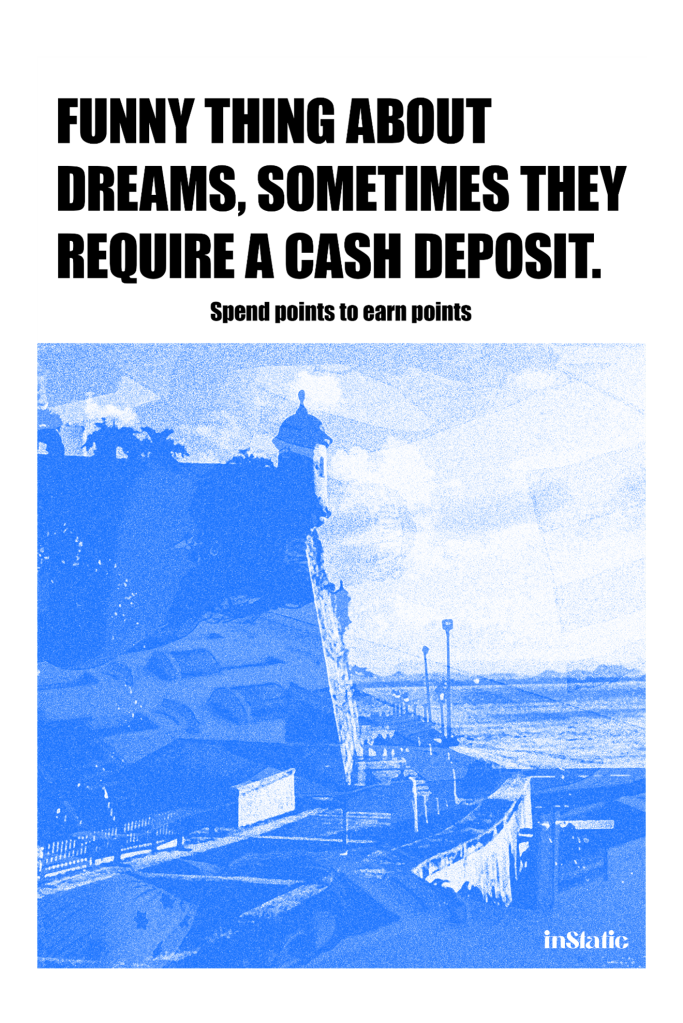
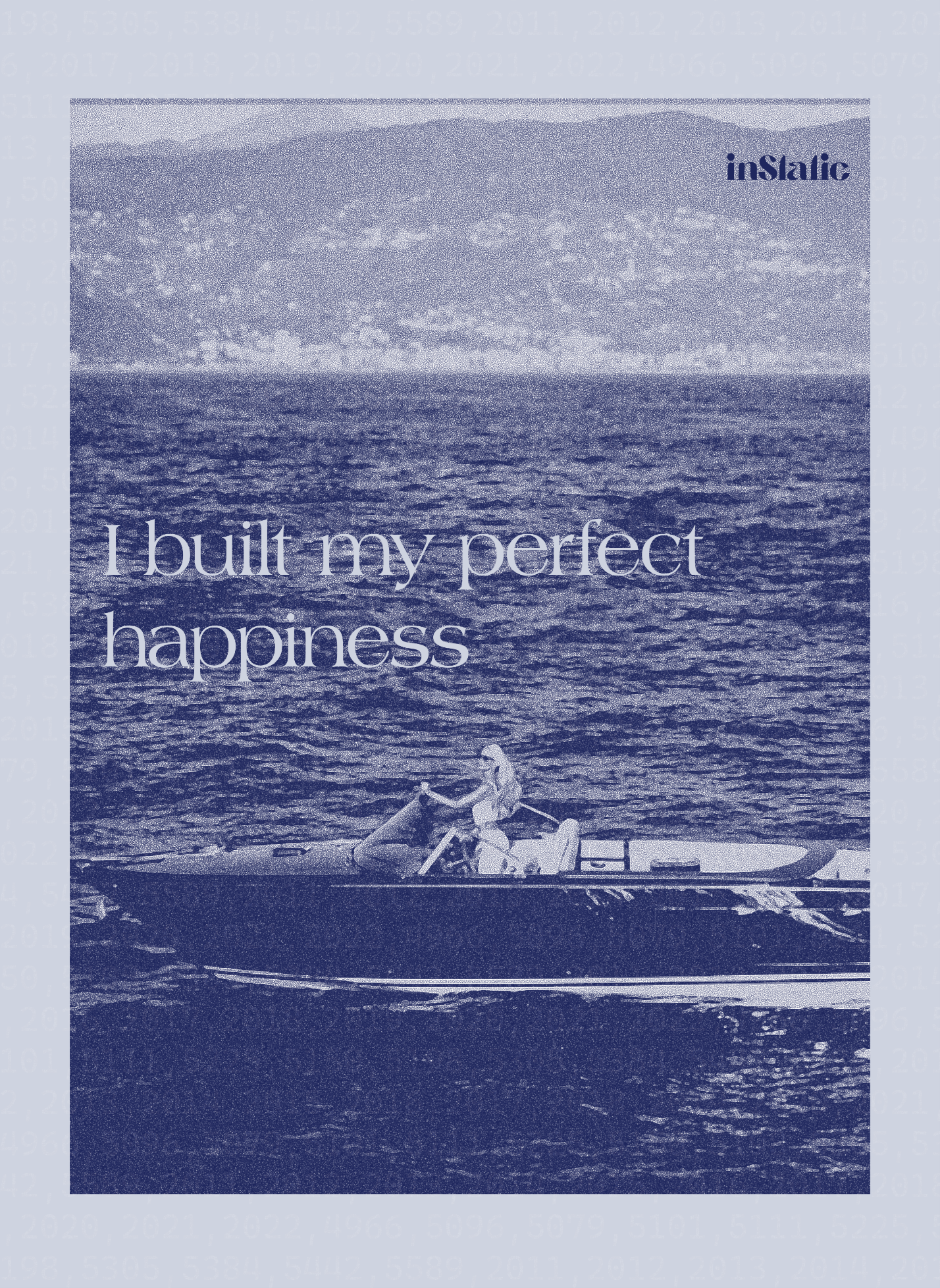
These new changes and critiques are reflected in my recent work. I have developed and completed the designs for my first advertising campaign, which focuses on the environmental impacts of luxury vacations and travel. Attached are some examples of the advertisements. One notable example is the purple graphic depicting the Eiffel Tower and the Seine River. This image promotes the luxurious experience of traveling on the Seine to enjoy its views. However, upon closer inspection, one can see climate activist protesters advocating for clean water, highlighting the severe pollution of the Seine River. Another image showcases a woman on a boat with a subtle overlay of numbers representing statistics on the gallons of pollution caused by cruise ships. The third image features San Juan, Puerto Rico, with an overlay of Puerto Rican protesters fighting for public access to the beach and the protection of wildlife habitats.
 HSF House Blogs