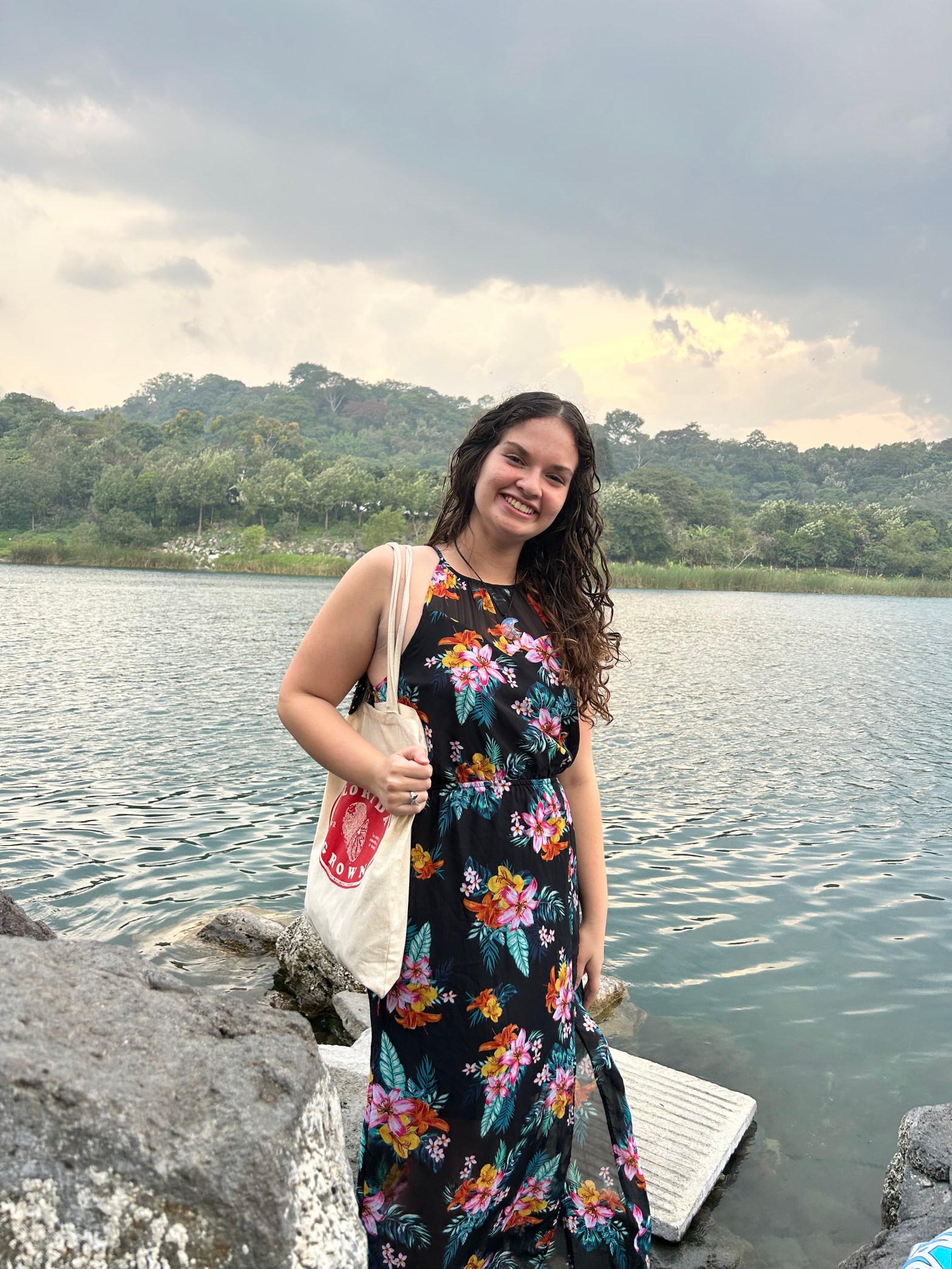
Within the four weeks of my stay here in Pavarotti, I have learned patience is truly a virtue. Resources that are taken for granted in the United States due to their easy availability are not as easy to obtain here. Income is an immense structural inequality here, especially since the students enrolled come from lower-income families. As an example to begin with, access to the internet is much more complicated, especially since the signal is not as strong. With the internet, there are good or bad days in which the internet does not work within the center. It was a bad day for the internet today in the center since the signal was not working, making it even more complicated to teach. Though at first it took some time to grow accustomed to, after it became easier to not fully depend on the internet to develop the teaching material. For the printer, it must have the signal connected to be able to print properly. After several headaches, I was finally able to print an exam for the students of around eight pages. This is not for the purpose of complaining, instead to demonstrate the extent of the social inequality within this community. With environmental conditions, it is known that there are areas within Lake Atitlan that suffer from water contamination. As mentioned in my previous blog, Lake Atitlan is the surrounding body of water in San Lucas Toliman, extremely close to Pavarotti.
Nonetheless, the experience within Pavarotti is amazing, especially thanks to the students. Truly it is such a fulfilling moment to observe they are able to learn when I teach them and want to learn more. The difficulties mentioned are visible in any lower-income country, especially lower-income regions that serve to benefit communities with limited resources. This correlates to the subject for my CapStone Project, I will base it on the strong connection of the students and teachers with Mayan culture. Mayan culture is expressed in every corner of Pavarotti, from murals to the traditional traje worn by the teachers (traje is the traditional Mayan attire for women which ranges from region to region in Guatemala). This connects to my initial CapStone subject idea since the significance of Mayan culture is intertwined with the environment. I look forward to valuing the culture within my CapStone project and portraying students’ experiences within the center through the culture.
 HSF House Blogs